Enjoy $20 Off Your First Shoot 📸 🎉

Best Places to Visit in Italy in 2026: Travel Advisor-Approved Italian Destinations
Best Places to Visit in Italy
Few countries shift shape the way Italy does. In the south, cliffside villages drop into the Mediterranean and afternoons stretch long over plates of fresh seafood. In the north, alpine lakes sit beneath snow-capped peaks, and the air carries pine and woodsmoke. Somewhere in between, a university city perfects a ragù recipe it has been making since the Middle Ages.
The best places to visit in Italy depend less on a checklist and more on alignment: matching the region to the way you travel. A couple celebrating an anniversary needs a different Italy than a solo traveller with hiking boots, and a first-timer craving the Colosseum and gelato near the Pantheon is after something entirely different from the repeat visitor ready to slow down in Puglia.
Since 2013, Flytographer has connected travellers with trusted local photographers in 350+ destinations worldwide. We’ve captured over six million memories for 100,000+ travellers who wanted more than a phone snap. The magic of Flytographer is both the experience and the photos. Explore the city with a fun, talented photographer and get wall-worthy photos to relive your trip, forever. 📸
Today, we asked nine professional travel advisors in our community to share the best places to visit in Italy for every type of traveller. From the Amalfi Coast’s cliffside romance to Sicily’s volcanic intensity, here are ten Italian regions worth building a trip around.
Jump in
- For Nature & Adventure: The Dolomites
- For Art & Architecture: Florence
- For the Quieter Countryside: Umbria
- For Culinary Exploration: Bologna
- For Slow, Intentional Travel: Lake Garda
- For Culture: Rome
- For Romance: Amalfi Coast
- For Sunseeking: Puglia
- For Rest & Relaxation: Sicily
- For Sense of Place: Venice
- Frequently Asked Questions
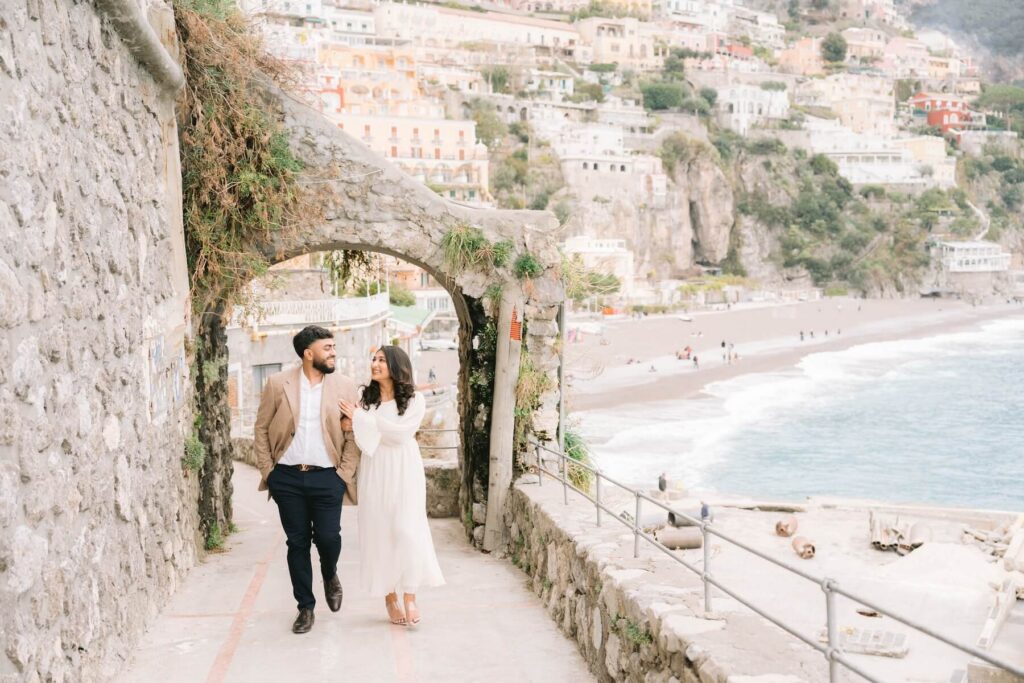
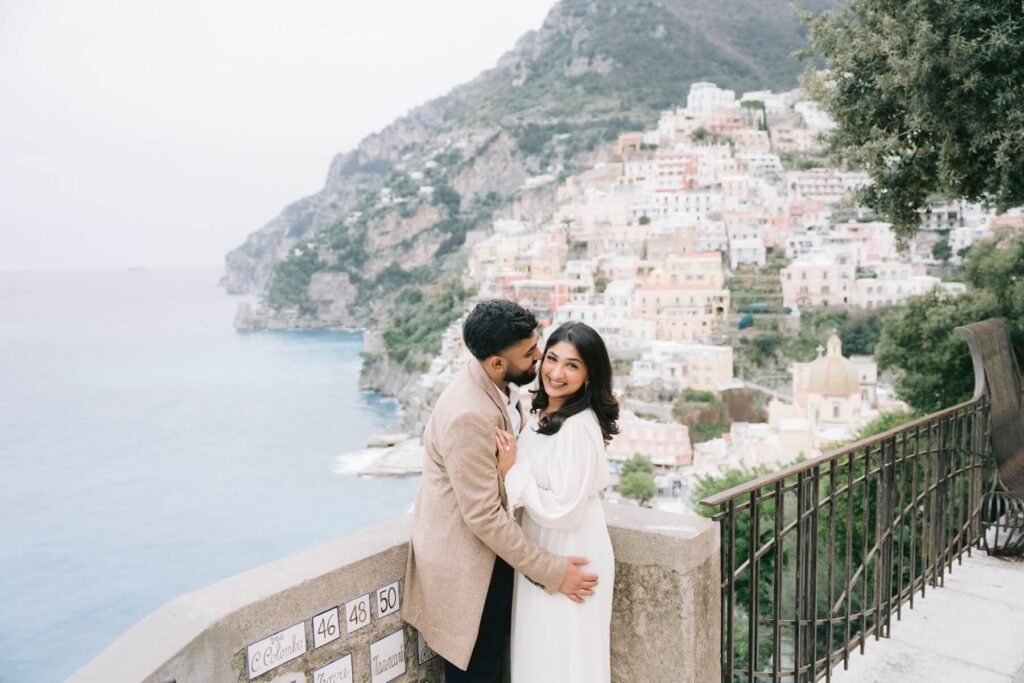
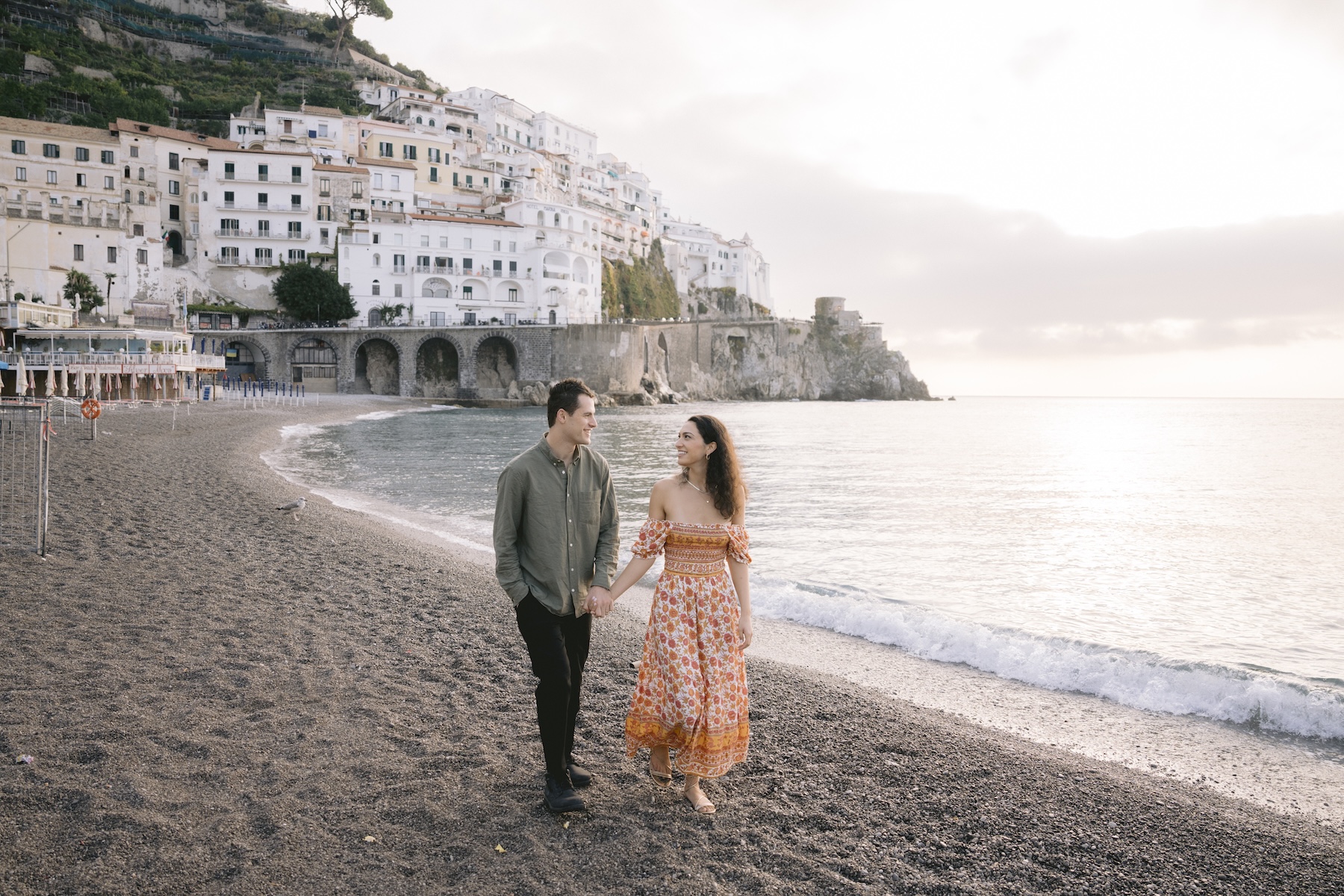
Photo: Andrea on the Amalfi Coast for Flytographer. Tobin and partner capture memories in Positano on a couples photoshoot.
1. For Nature & Adventure: The Dolomites
The Dolomites are a UNESCO World Heritage Site and one of Europe’s most dramatic mountain landscapes: jagged limestone peaks, wildflower meadows, and glassy alpine lakes. In summer, the trails open up to hikers and families. In winter, world-class skiing takes over, and 2026 brings additional attention with the Milano Cortina Winter Olympics.
“For hikers, skiers, and families who love nature, the Dolomites are unmatched. I would recommend booking a mountain-view chalet or boutique alpine hotel in Cortina d’Ampezzo or Val Gardena for easy access to trails and ski slopes. Days can be spent hiking scenic passes, exploring hidden alpine lakes, or skiing world-class runs in winter, while evenings offer cozy village life and regional cuisine. For dining, I would send travelers to Rifugio Lagazuoi for traditional mountain fare with spectacular views, or St. Hubertus in San Cassiano for elevated Ladin-inspired cuisine. This is the perfect region for reflective travel, active adventures, and soaking in dramatic, unspoiled landscapes.” – Vessy Smith, Vessy Travel
Book a local photographer in the Dolomites →
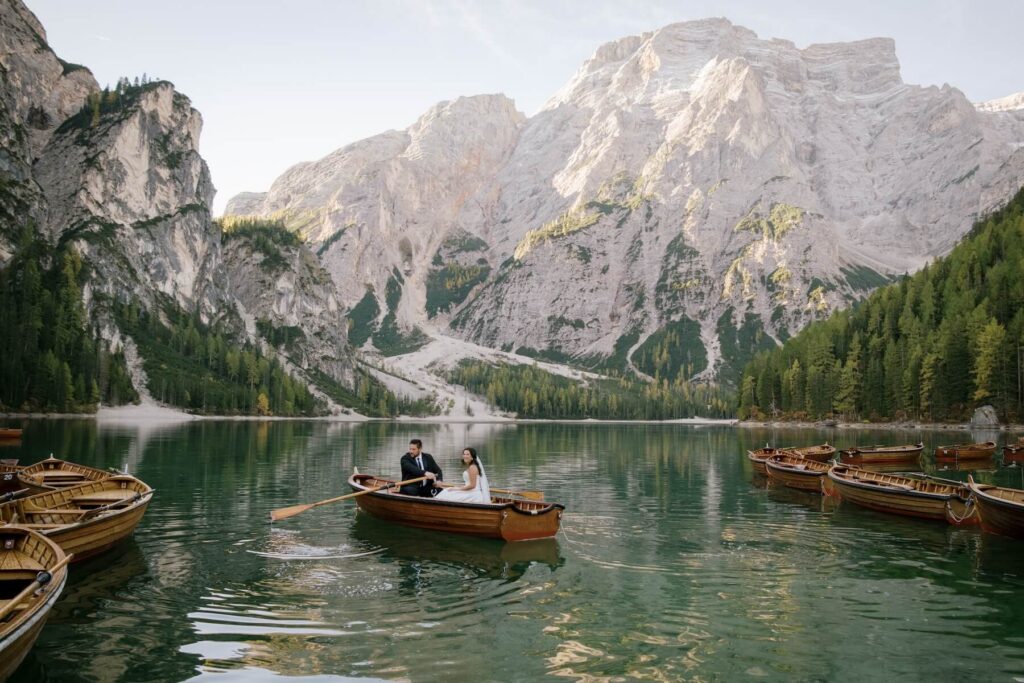
Photo: Nadia in the Dolomites for Flytographer. Chester and partner capture memories in the Dolomites on a post-wedding photoshoot.
2. For Art & Architecture: Florence
Renaissance masterpieces, terracotta rooftops, and a food scene that takes itself exactly as seriously as it should. Florence packs more cultural weight per cobblestone than almost anywhere else in the world, from Michelangelo’s David at the Accademia to the Uffizi’s staggering collection to Brunelleschi’s Dome rising above it all. The Chianti hills begin just thirty minutes from the Duomo, which means a morning of da Vinci and Botticelli can give way to an afternoon of estate vineyards and long Tuscan lunches. For travellers who want the full Italian experience in a single, walkable city, Florence delivers.
“Florence is the destination that ruins you for other cities — not because it is perfect, but because the concentration of beauty, food, and cultural weight packed into a walkable Renaissance city center is genuinely unmatched anywhere in the world. This is the city where Michelangelo’s David lives, where the Uffizi holds more masterpieces per square meter than any museum on earth, where the bistecca alla Fiorentina is a religious experience, and where the hills of Chianti start just thirty minutes from the Duomo. Stay at Portrait Firenze on the Lungarno — a converted 14th-century palazzo with suites overlooking the Arno and the Ponte Vecchio, exceptional service, and a rooftop terrace that becomes the best seat in the city at aperitivo hour. Eat a bistecca alla Fiorentina for two at Buca Mario, the oldest restaurant in Florence, and order the lampredotto sandwich from a street cart in the Mercato Centrale because it is what Florentines have eaten for lunch for centuries and it changes how you think about offal. Drink Chianti Classico from the hills you can see from the city and order a Negroni at Caffè Giacosa on Via della Vigna Nuova, where Count Camillo Negroni asked the bartender to strengthen his Americano in 1919 and changed cocktail culture permanently. See the David at the Accademia at opening time with a pre-booked ticket and nothing else on the morning agenda — give it the time it deserves because it is one of the few things in travel that genuinely exceeds the expectation. For the experience that separates a great Florence trip from a good one, drive into the Chianti hills for a private wine tasting and lunch at an estate vineyard — Castello di Brolio, Badia a Coltibuono, or Antinori nel Chianti Classico — and let the afternoon run as long as it wants to.” – Allyson Bauer, The Ally Escape Co.
Capture memories with a local Florence photographer →
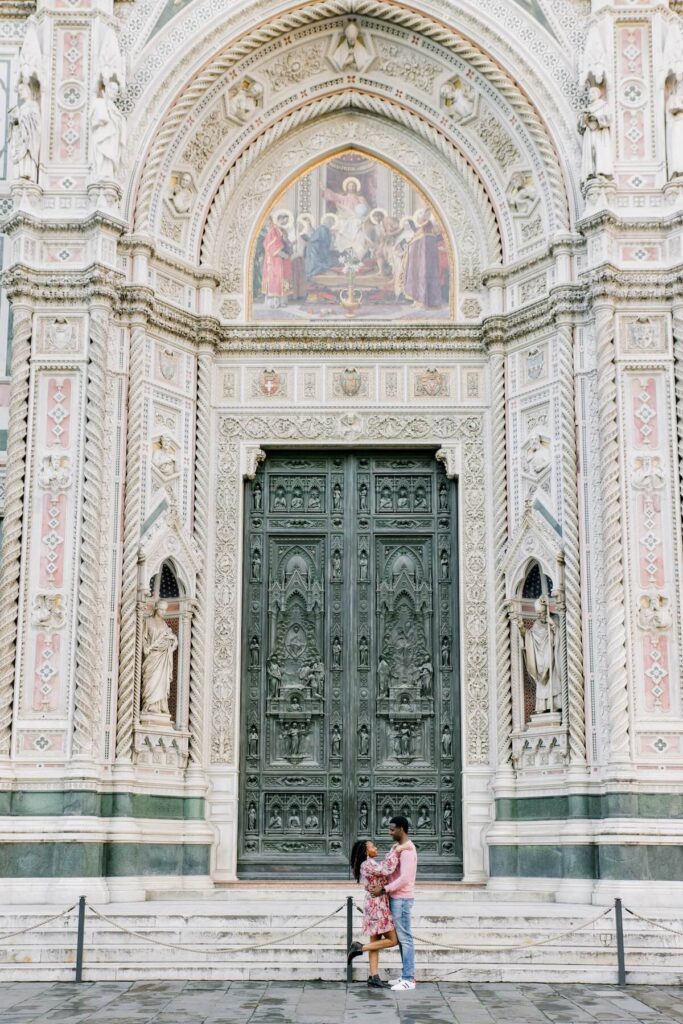
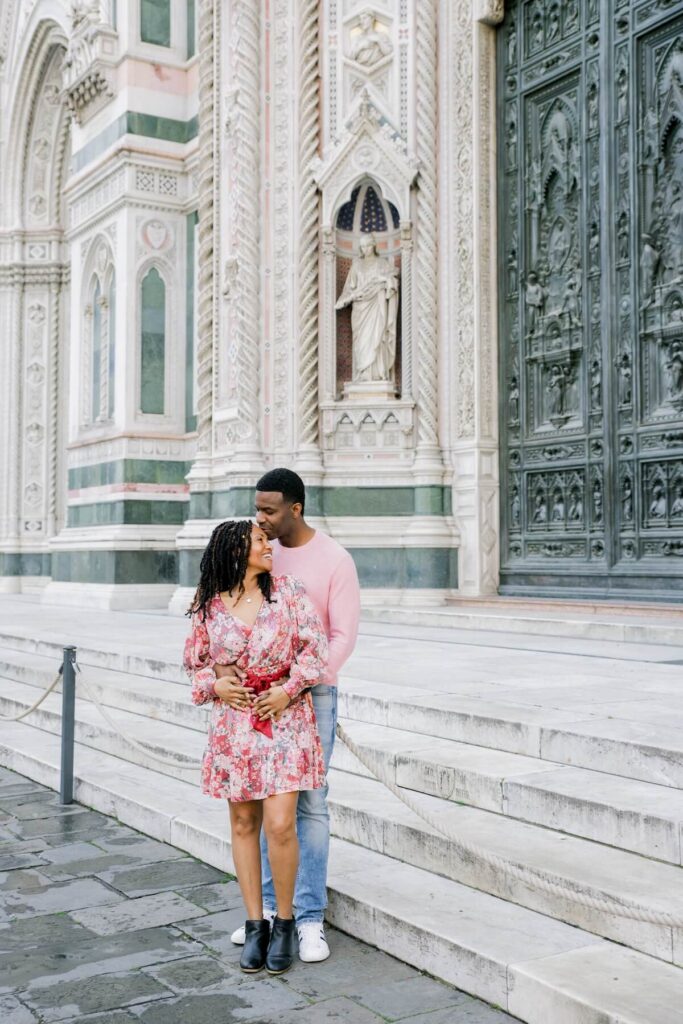
Photo: Olga M. in Florence for Flytographer. Chester and partner capture memories in the Dolomites on a post-wedding photoshoot.


3. For the Quieter Countryside: Umbria
Often called the green heart of Italy, Umbria is the country’s only landlocked region, and that inward quality defines the experience. The regional capital, Perugia, is a university city with one of Italy’s best jazz festivals each July. Spoleto hosts a world-class performing arts festival every summer. The tiny hilltop town of Montefalco produces Sagrantino, a bold red made from a grape grown virtually nowhere else in the world, and the ceramic workshops of Deruta have been hand-painting majolica since the Renaissance. The whole region sits just ninety minutes from Rome by train, making it an easy addition to a broader Italian itinerary.
“Instead of Tuscany, consider Umbria. Rolling hills, medieval towns, vineyards, and olive groves create a landscape just as beautiful, yet far less crowded. The towns of Assisi and Orvieto offer rich art, architecture, and history without the presence of large tour groups. Family-run estates welcome guests with genuine warmth, creating a more personal experience. Umbria is ideal for travelers who have already experienced Tuscany and are seeking a deeper, more intimate connection to rural Italy. Earthy and authentic, the region is also known for its truffles, making a truffle hunting experience a must.” – Belkys Pastor, Distinct Vacations
Book a local photographer in Umbria →
4. For Culinary Exploration: Bologna
Known as “La Grassa” (the fat one), Bologna is Italy’s food capital without pretence. Sitting at the heart of Emilia-Romagna, the region that gave the world Parmigiano Reggiano, prosciutto di Parma, and balsamic vinegar, Bologna’s own contributions include ragù, tortellini, and mortadella. Its porticoed streets are a UNESCO World Heritage Site, and the Quadrilatero’s covered market stalls make it one of the best places to visit in Italy for travellers who eat first and sightsee second.
“Bologna is the destination I recommend when a client says they love food but they’re tired of over-touristed places. It’s Italy’s culinary capital without the queues. The city invented ragù, tortellini, and mortadella, and the covered market at the Quadrilatero has been feeding locals since the Middle Ages. A cooking class here followed by a long lunch at a family-run trattoria is one of the most satisfying day programmes I put together.” – Michelle Belcher, Archer Escapes
Capture memories with a local photographer in Bologna →
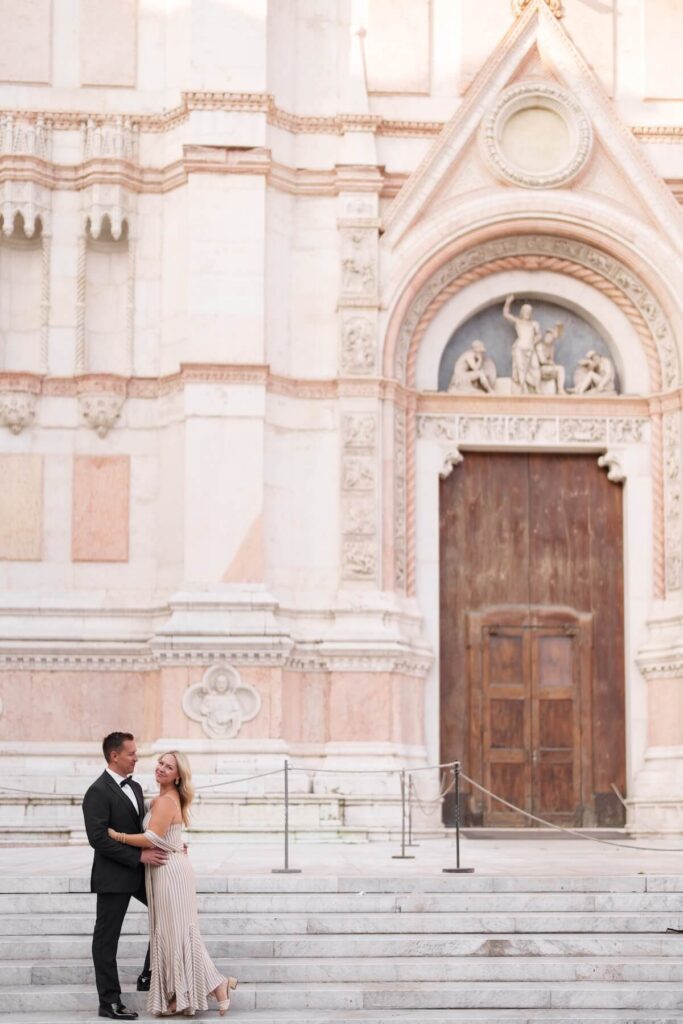
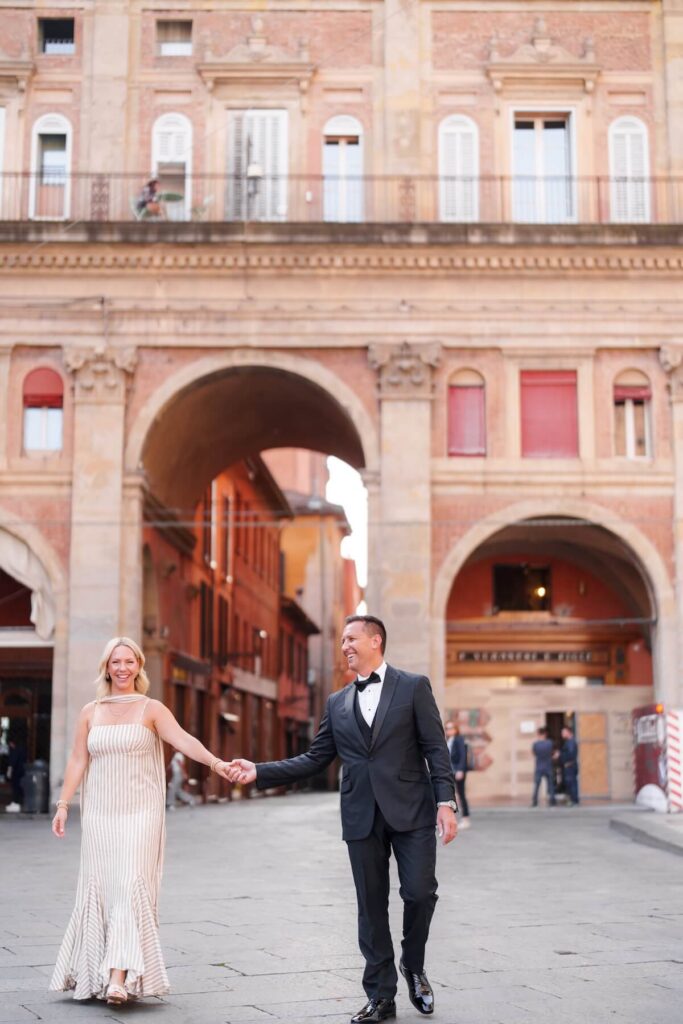
Photo: Yeleynaya in Bologna for Flytographer. Lauren and partner capture memories in the Bologna on a couples photoshoot.
5. For Slow, Intentional Travel: Lake Garda
Italy’s largest lake stretches between the Alps and the Po Valley, with walkable towns, gentle hikes, and swimming spots that keep families and multigenerational groups happy. Lake Garda doesn’t carry the same name recognition as Lake Como, but that’s part of the appeal: the crowds are thinner and the scenery is every bit as beautiful. Verona and Milan are both within easy reach by train.
“A top recommendation for those looking to escape the crowds, Lake Garda offers equally stunning scenery with a more relaxed, local feel. For an unforgettable stay, book the Grand Hotel Fasano — and be sure to request a renovated room with lake views for the full experience. While you’re there, take a day trip to Brescia to explore its rich history and cultural heritage.” – Erica Jones, Elevated Occasions
Book a local photographer in Lake Garda →
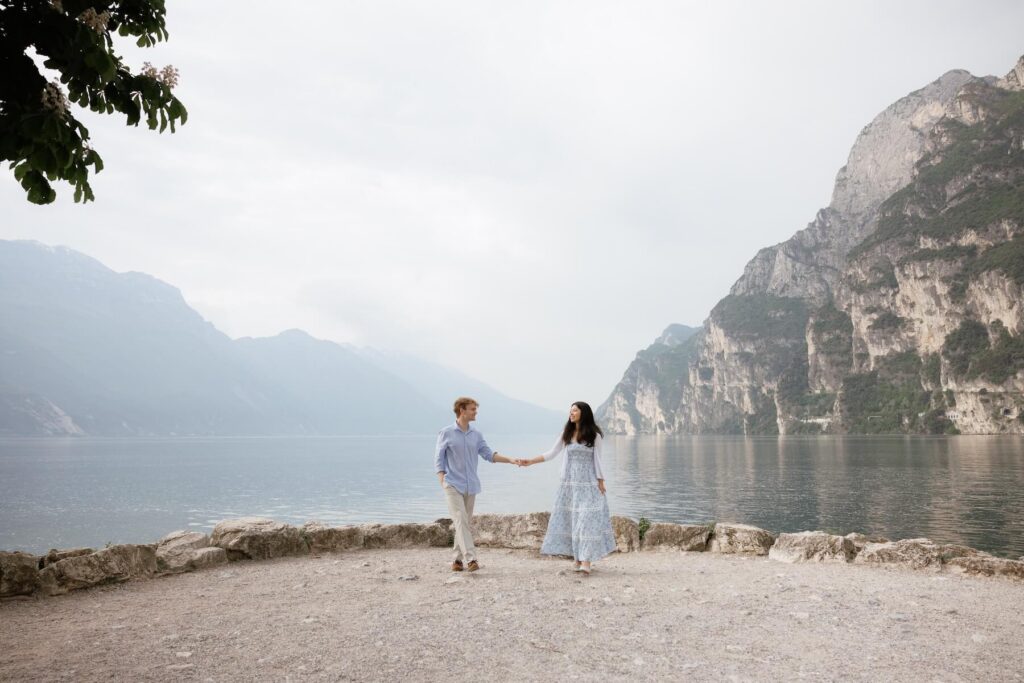
Photo: Lisa in Lake Garda for Flytographer. Nick and partner capture memories in Lake Garda on a couples photoshoot.
6. For Culture: Rome
Chaotic, historic, exhilarating. Rome layers thousands of years of human achievement into a single walkable city. The Colosseum, the Roman Forum, Michelangelo’s Sistine Chapel ceiling, the Pantheon: the density of masterpieces is staggering. This is one of the best places to visit in Italy for first-timers and milestone trips, where the scale of the city matches the occasion. Book guided tours for the Vatican and the Colosseum to skip the queues; then leave room for unstructured afternoons in Trastevere, where the restaurants are local and the streets are narrow.
“Rome is layered, iconic, and endlessly fascinating — the perfect introduction to Italy. Around every corner, there’s history: ancient ruins, world-class art, and architecture that spans centuries. For first-time visitors or milestone trips like graduations, it offers that ‘I can’t believe I’m here’ feeling. The key is experiencing it thoughtfully — with guided access to major sites, well-paced days, and time to take it all in without feeling overwhelmed.” – Heather Grodin, Le Voyage Travel Experiences
Capture memories with a local photographer in Rome →
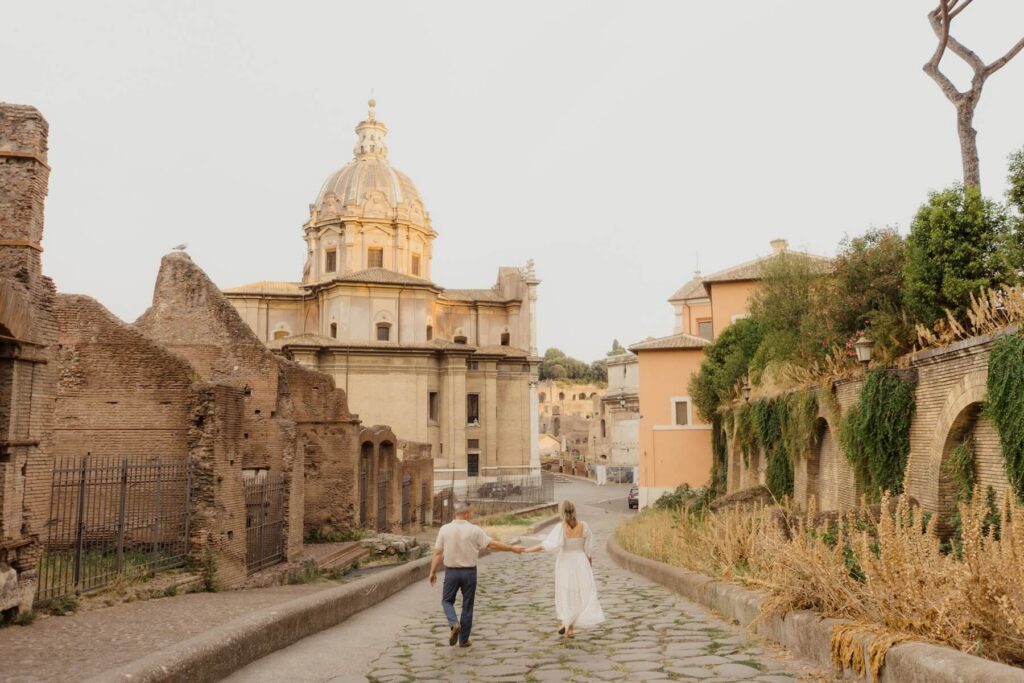
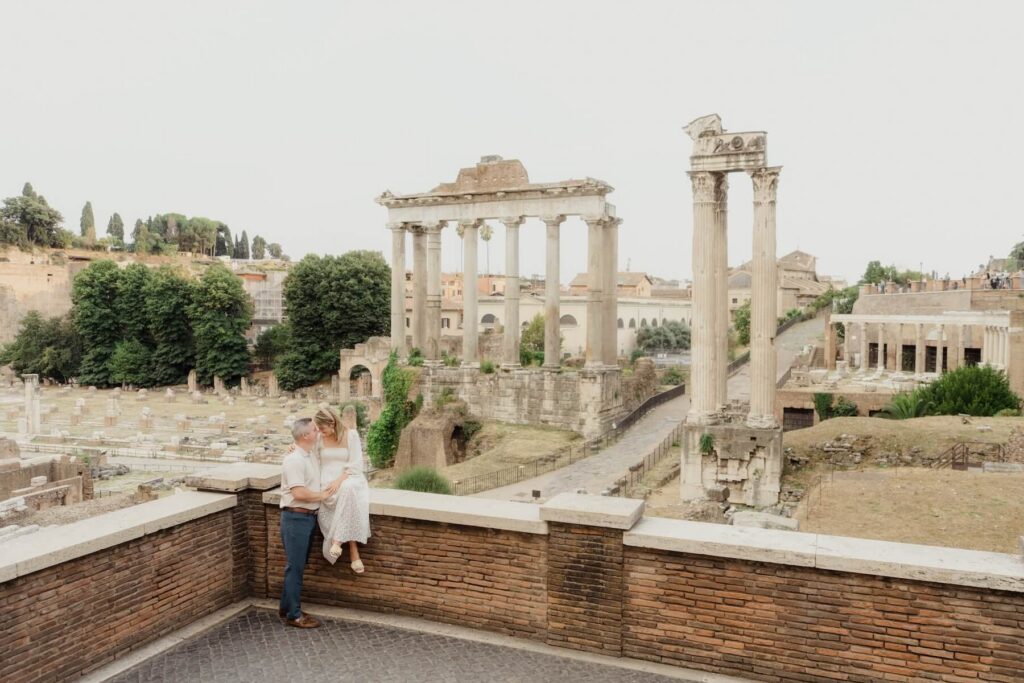
Photo: Roberta in Rome for Flytographer. Kristin and partner capture memories in Rome on a couples photoshoot.
7. For Romance: Amalfi Coast
Vertical cliffs, pastel villages, and water so blue it looks retouched. The Amalfi Coast is one of the best places to visit in Italy for couples, proposals, and honeymoons. Towns like Positano and Praiano spill down the hillside toward the sea, connected by ferries and winding roads. Ravello sits higher up, quieter, while Capri is a short ferry ride from Sorrento. 🍋
“No coastline in the world does romance quite like this one. The combination of vertical cliffs, pastel villages stacked above an impossibly blue sea, lemon groves perfuming the air, and candlelit dinners on terraces built into the rock face creates an atmosphere that requires almost no effort from the couple — the setting does everything. Book Il San Pietro di Positano, carved directly into the cliffside above the village with a private beach elevator, terraced gardens overflowing with bougainvillea, and sea views from every room. It is the kind of property where the room itself becomes the memory. For proposals, ask the concierge about arranging a private boat to a quiet cove at golden hour — off the main drag, just the two of you, the water, and the light. Eat spaghetti alle vongole at a table with your feet nearly in the water, order the fresh catch of the day in Praiano where the crowds haven’t found the best spots yet, and end every evening with limoncello made from the lemons growing on the hill above you. For a special dinner, Da Adolfo in Positano requires a red boat to reach it and rewards the effort completely. See Ravello’s Villa Cimbrone and walk to the Terrace of Infinity at the edge of the cliff — it is exactly what the name promises and one of the most quietly overwhelming views in Italy. Take the ferry between villages instead of the road, which keeps the magic intact in a way that a car never does. For the experience that makes the trip, book a private wooden boat for a full day — pack a lunch, bring wine, and let a local captain take you along the coast toward the sea caves with nowhere to be and nothing to do but be there together.” – Allyson Bauer, The Ally Escape Co.
Book a local photographer on the Amalfi Coast →
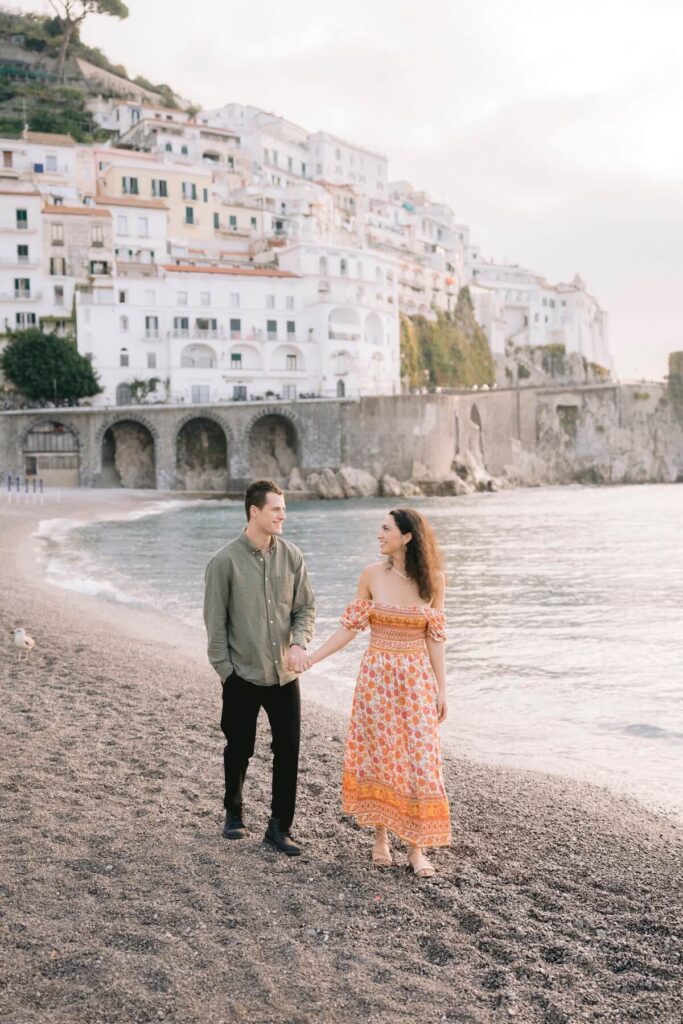
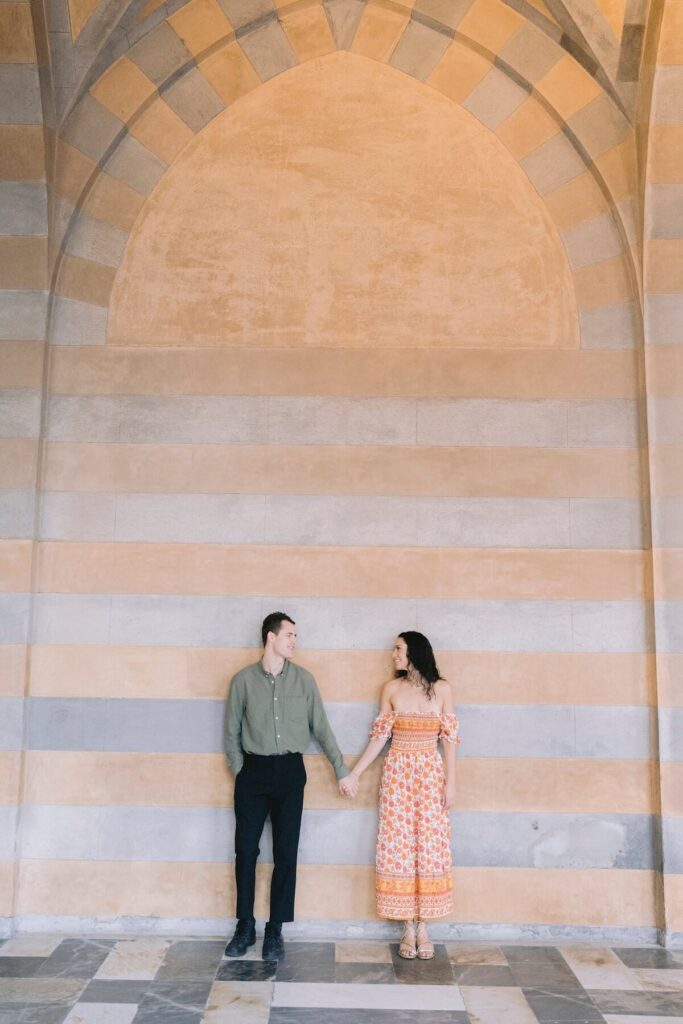
Photo: Andrea on the Amalfi Coast for Flytographer. Orchid and partner capture memories in Amalfi Village on a couples photoshoot.
8. For Sunseeking: Puglia
The heel of Italy’s boot, Puglia is where whitewashed towns, ancient olive groves, and Adriatic coastline meet a food scene that rivals anywhere in the country. Ostuni (“the White City”) and Alberobello (with its cone-roofed trulli, a UNESCO World Heritage Site) give the region a visual identity all its own, and it’s one of the best places to visit in Italy for repeat travellers who have done Rome and Florence and want something quieter.
“Puglia — Stay at Borgo Egnazia for a luxe-but-authentic southern Italy experience. Spend your days beach hopping along the Adriatic, exploring whitewashed towns like Ostuni, and enjoying laid-back coastal vibes. Eat fresh seafood, burrata, orecchiette pasta, and sip local wines under the sun.” – Blake Greene-Kawar, Milo & Maps Travel Co.
Capture memories with a local photographer in Bari →
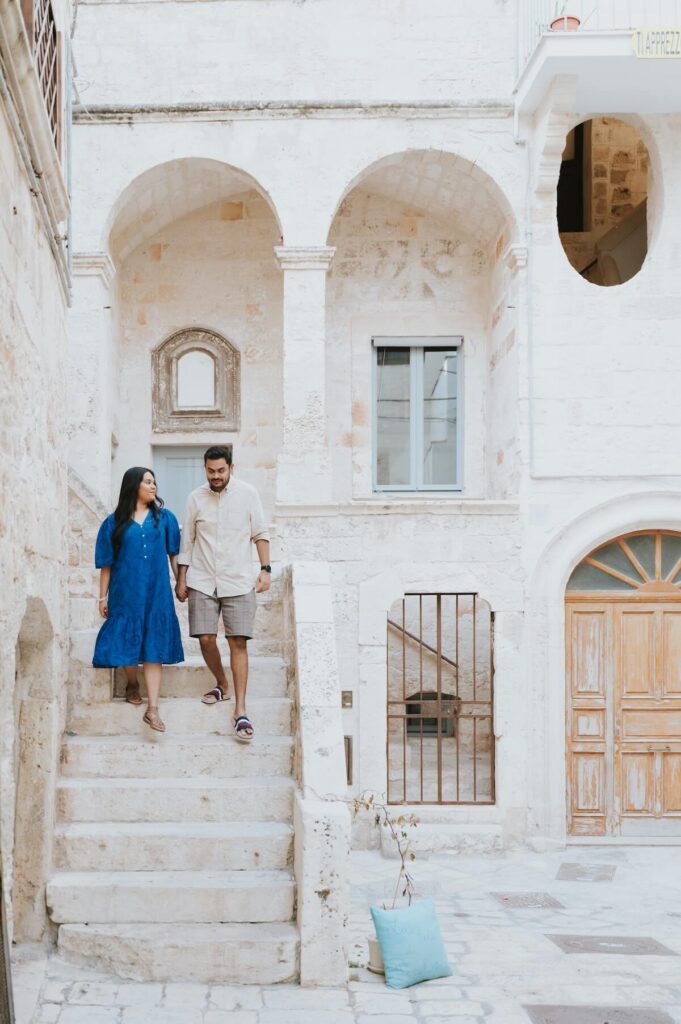
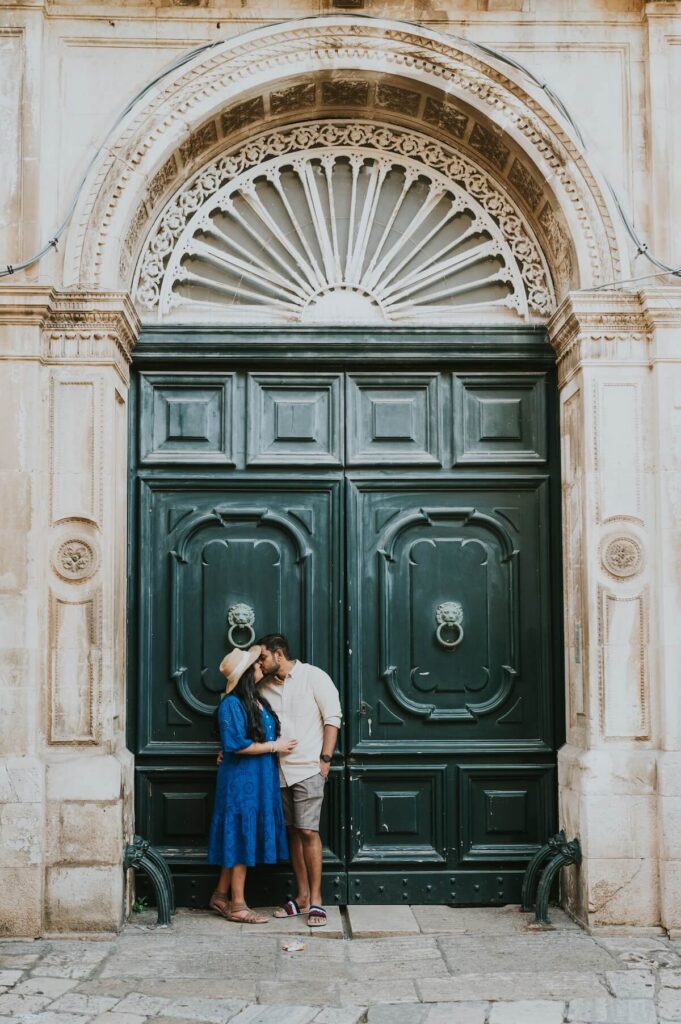
Photo: Assunta in Bari for Flytographer. Sanchalita and partner capture memories in Puglia on a couples photoshoot.
9. For Rest & Relaxation: Sicily
Sicily is Italy at its most intense: ancient Greek and Roman ruins, the volcanic drama of Mount Etna, turquoise beaches accessible only by foot, and a culture fiercely distinct from the mainland. The capital, Palermo, delivers street markets, Norman-Arab architecture, and some of the best street food in the Mediterranean. For solo travellers and the culturally curious, Sicily is one of the best places to visit in Italy precisely because it resists being reduced to a single experience.
“Sicily is where Italians go for vacation — and where locals still refer to themselves as Sicilians, not Italians. Learning a bit of Italian goes a long way here, as you might find yourself swept away to indulge in some homemade wine, an impromptu farm tour, or a hidden art gallery. The island will welcome your cultural curiosity, from exquisite Greek and Roman ruins, to turquoise beaches that require a hike, to chatting with local olive farmers or musicians. Bring an open mind, hiking boots, and your best broken Italian for the trip of a lifetime.” – Carolyn Kulb, Windward Path
Book a local photographer in Syracuse →
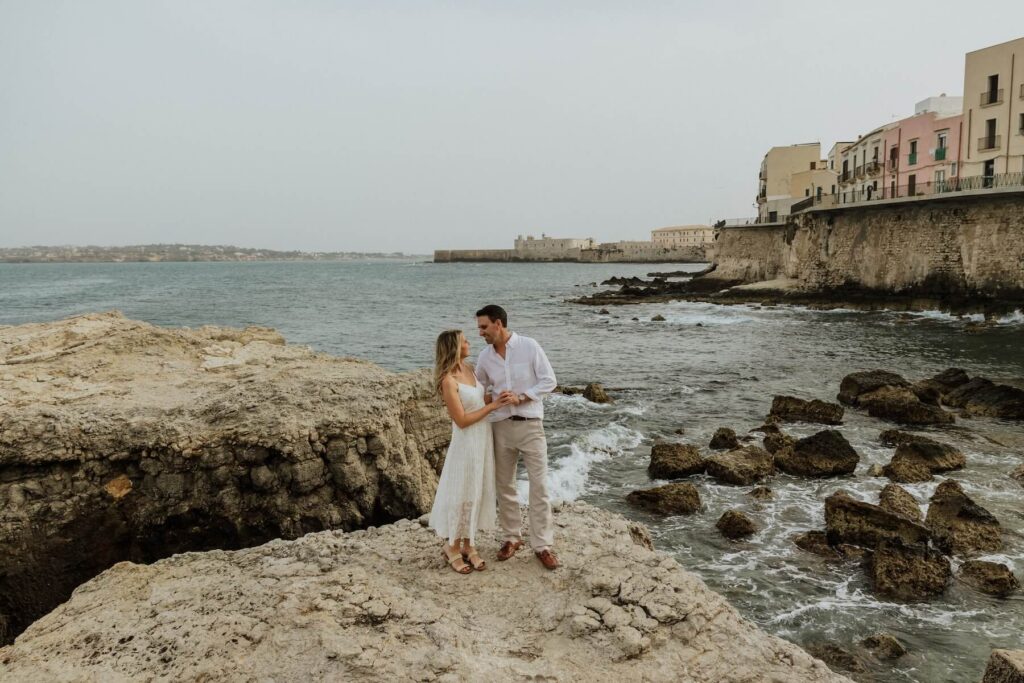
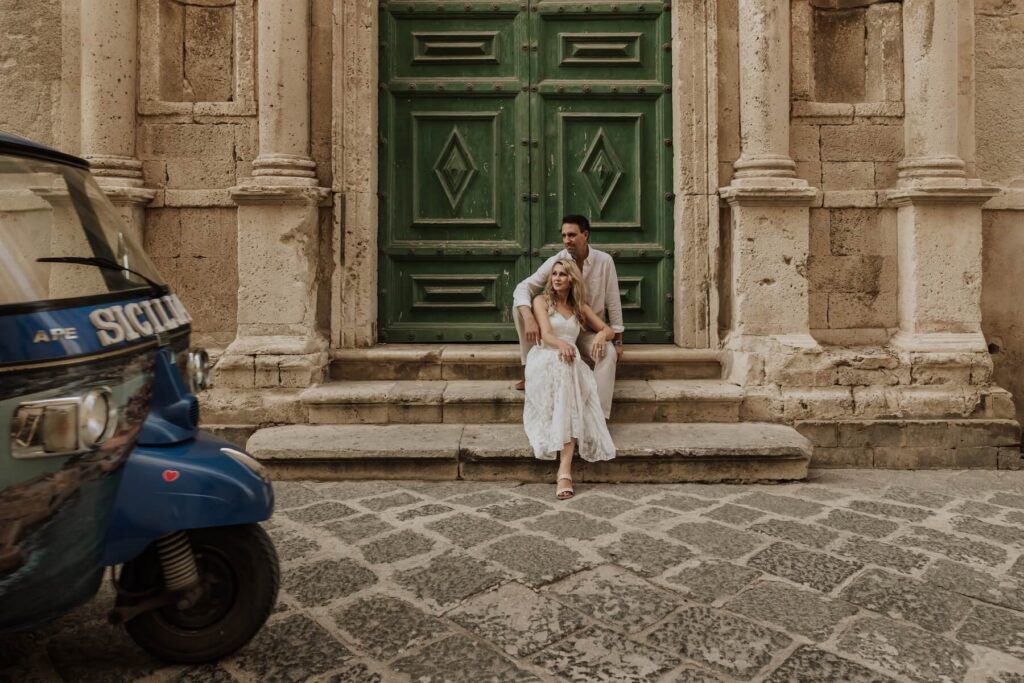
Photo: Deborah in Syracuse for Flytographer. Sarah and partner capture memories in Puglia on a couples photoshoot.
10. For Sense of Place: Venice
There is nowhere else like Venice. Built across 118 islands connected by over 400 bridges, the city has no cars, no buses, and a rhythm dictated by tides and light. Early mornings, before the day-trippers arrive, are when Venice reveals itself: still canals, the sound of water against stone, and golden light near the Piazza San Marco. The colourful fishing village of Burano and the glass-blowing studios of Murano make for quieter day trips beyond the main island.
“Venice has such a distinct sense of place — there’s truly nowhere else like it. It’s especially magical for photographers and romantics, or anyone traveling in the shoulder or off-season when the city feels quieter and more atmospheric. Early mornings and late evenings are when Venice really shines, when the canals are still and the crowds thin out. Staying somewhere central and simply wandering is the best way to experience it.” – Ana Santos, Wanderlustre Travels
Capture memories with a local photographer in Venice →
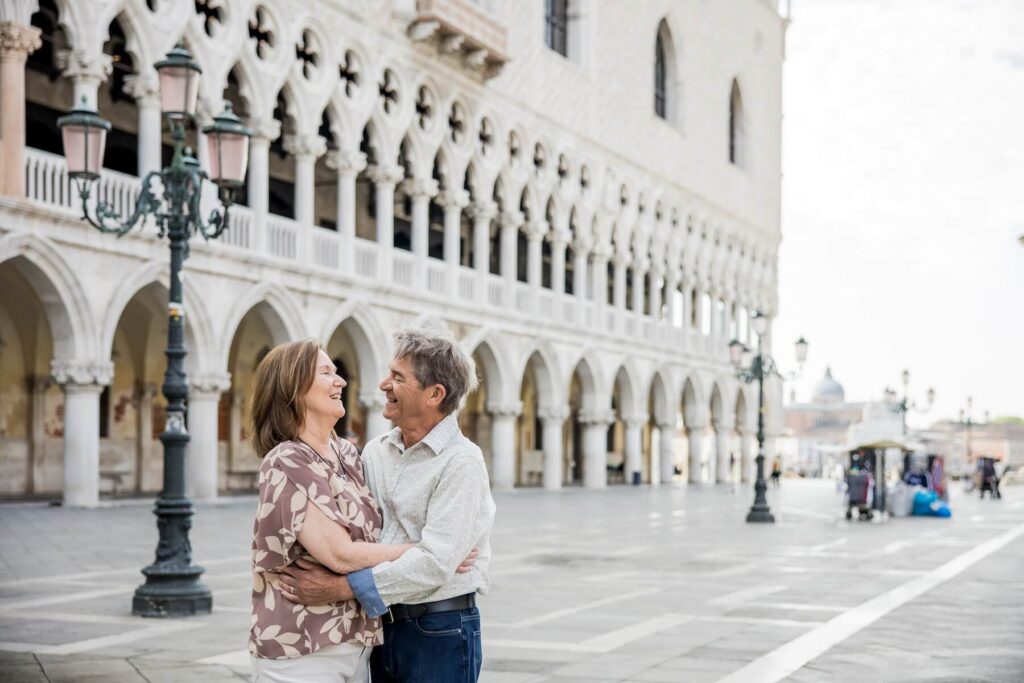
Photo: Marta in Venice for Flytographer. Karen and partner capture memories in Venice on a couples photoshoot.
FAQ
What is the best time of year to visit Italy?
The best time to visit Italy depends on the region, but late April through June and September through October offer the most reliable weather across the country, with warm days, lighter crowds than July and August, and shoulder-season pricing. The Amalfi Coast and Sicily peak in late spring and early autumn. The Dolomites split into two seasons: hiking from June through September and skiing from December through March. Venice and the Veneto are at their most atmospheric in shoulder season when day-tripper crowds thin. A practical travel tip: avoid Ferragosto week (mid-August), when many Italians close up shop and head to the coast.
What are the best places to visit in Italy for first-time travellers?
First-time travellers usually do best with the classic triangle of Rome, Florence, and Venice. These three cities anchor most introductory travel guides to Italy and connect easily by high-speed train. Add a day trip to Pompeii from Naples for ancient Roman ruins, and Pisa or San Gimignano from Florence for postcard Tuscan moments. If you have ten days or more, the Cinque Terre (five cliffside villages including Vernazza, Manarola, and Monterosso, linked by a coastal national park) makes a beautiful add-on between Florence and the north. Book major sites like the Colosseum, Vatican, and Uffizi well in advance to skip the longest queues.
What are the most beautiful places to visit in Italy beyond the major cities?
Italy’s most beautiful places often sit outside the headline cities. The Cinque Terre villages of Vernazza, Manarola, and Monterosso climb pastel-painted hillsides above the Ligurian Sea inside a protected national park. The Dolomites deliver jagged limestone peaks and alpine lakes. Tuscany‘s hilltop towns, including Siena, San Gimignano, and Montepulciano, offer medieval streets and vineyard views without Florence‘s crowds. Sardinia‘s beaches rival the Caribbean for water clarity. And Sicily layers Greek temples, volcanic drama, and turquoise coves into a single island. Each region rewards travellers willing to slow down past the bucket list checklist and explore at a regional pace.
Is hiring a local photographer worth it for an Italy trip?
For a trip this layered, yes. Italy rewards travellers who slow down and notice the morning light on the Arno in Florence, golden hour over the Amalfi cliffs, and the stillness of Venice‘s canals before the day-trippers arrive. Flytographer connects travellers with vetted local photographers in 350+ destinations, including Rome, Florence, Venice, the Amalfi Coast, Cinque Terre, Sicily, and Puglia. A photographer who lives in the city knows exactly where to be and at what hour, and turns a milestone trip (anniversary, honeymoon, proposal, or graduation) into wall-worthy photos you’ll actually print and live with.
Capturing Memories in Italy
Wherever Italy takes you, let Flytographer help you remember it. With trusted local photographers in 350+ destinations, you’ll explore each city through an insider’s lens and walk away with wall-worthy photos that feel as natural and personal as the trip itself.

"Best way to embrace such a special moment in our lives. So easy to book, pay and set up. Claudio and Barbara are tremendous. Second to none, phenomenal capture of the moment and super great at communicating. Thank you so much for helping me plan this proposal, I couldn’t have accomplished it without Barbara and Claudio!"
Matthew

"From the moment I booked an engagement photoshoot with Chiara, I knew she was going to be incredible. It is obvious from these photos that she is an extremely talented photographer. But it is rare to have someone so talented and kind, accommodating, and patient."
Chris

"We had a great time with Peppe! He was easy going and we had great conversations while he took amazing pictures. We now have some beautiful pictures to remember our once in a lifetime trip to Italy!"
Michele
ABOUT THE AUTHOR

Meg Wilson
Meg is a professional blogger for photographers and travel brands with a focus on Digital Marketing. She is a freelance photographer as well as an avid traveller herself with a passion for documenting moments in time. The vacation photography niche is the perfect place for her to work creatively.