Enjoy $20 Off Your First Shoot 📸 🎉

Skip the Crowds: Hidden Gems in Europe Recommended by Travel Advisors
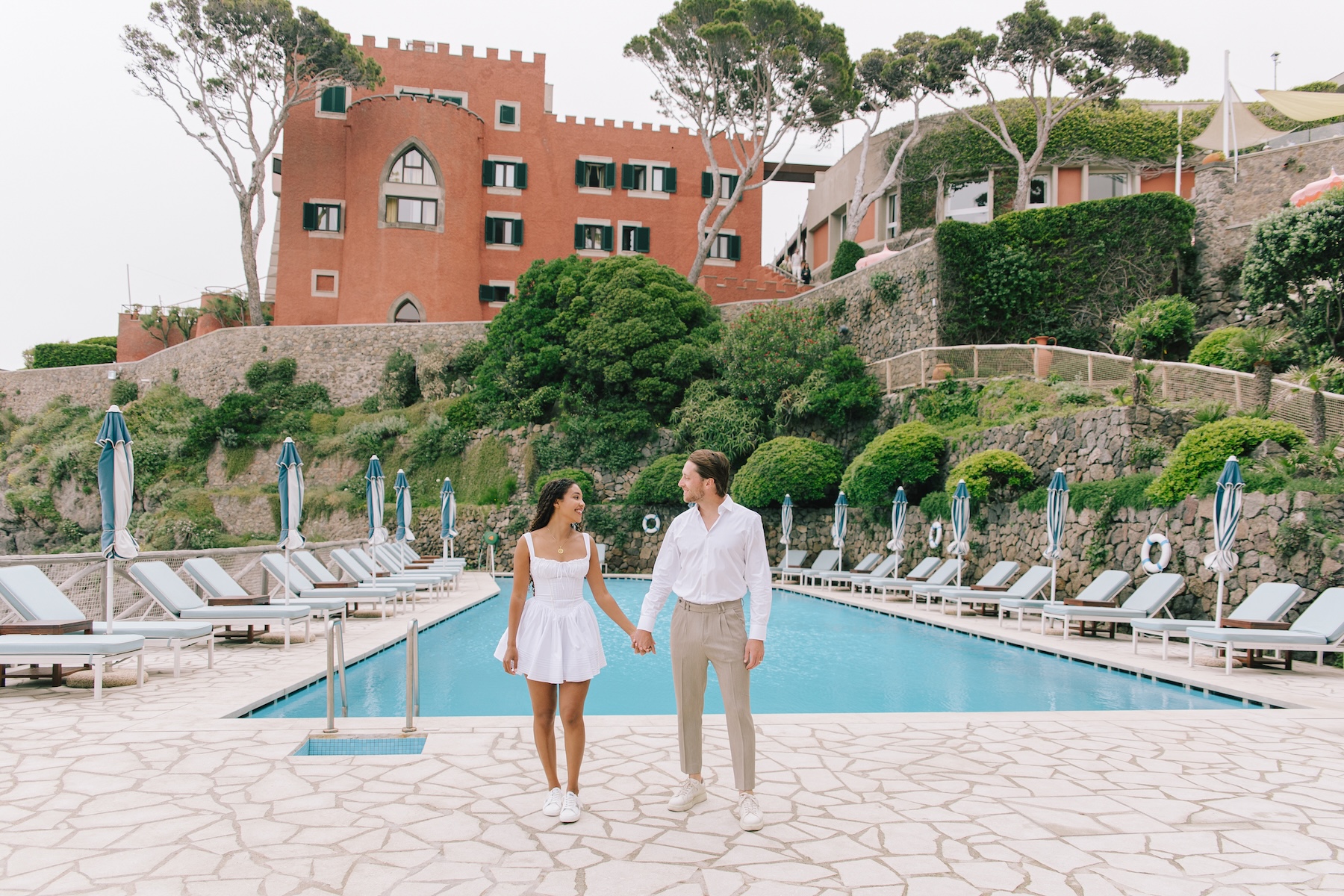
Six European cities that deliver the same beauty, food and romance as the famous hotspots, with far more room to breathe. Here is where to go instead.
Hidden Gems in Europe
For every iconic European city straining under peak-season crowds, there is a quieter counterpart that delivers the same essence with far more room to breathe. Below are six of them: less crowded alternatives to Barcelona, Paris, Tuscany, Capri, Santorini and Amsterdam, each recommended by a travel advisor who sends clients there instead. ✨
Since 2013, Flytographer has connected travellers with trusted local photographers in 350+ destinations worldwide, capturing over six million memories for 100,000+ travellers. We asked six advisors for the European hidden gems they recommend: the places where the food is just as good, the architecture is just as striking, and the experience feels like the same vibe.
The Swaps at a Glance
| Skip the Crowds | Go Here Instead | Same Vibe |
|---|---|---|
| Barcelona, Spain | Valencia, Spain | Beach and city, food culture, walkability |
| Paris, France | Lyon, France | Historic streets, café culture, cultural depth |
| Tuscany, Italy | Umbria, Italy | Hill towns, vineyards, slow meals |
| Capri, Italy | Ischia, Italy | Island beauty, coastal elegance, Mediterranean escape |
| Santorini, Greece | Syros, Greece | Cycladic beauty, architecture, romance |
| Amsterdam, Netherlands | Ghent, Belgium | Canals, medieval beauty, bikeable scale |
Jump to: Frequently asked questions
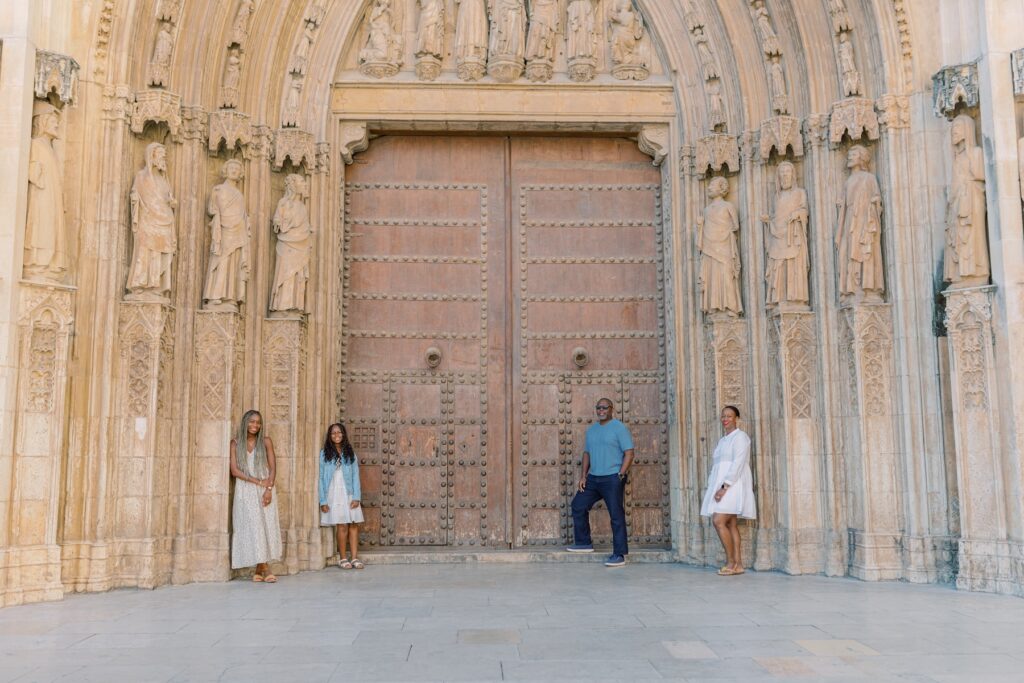
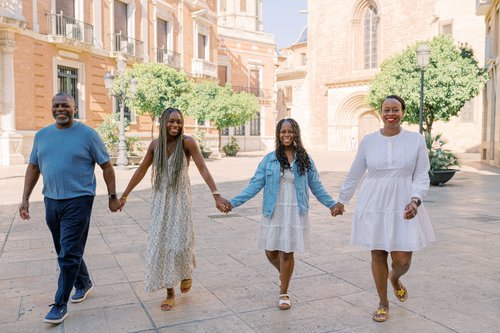
Photo: Rox in Valencia for Flytographer. Dawn and family capture memories in Spain with a family photoshoot.
1. Valencia, Spain: A Less Crowded Alternative to Barcelona
Same vibe: beach and city, food culture, walkability
Spain’s third-largest city carries the same Mediterranean ease as Barcelona, without the price pressure or the single-promenade crush. Valencia feels young, local, and confidently itself, a place still shaped by
the people who actually live there.
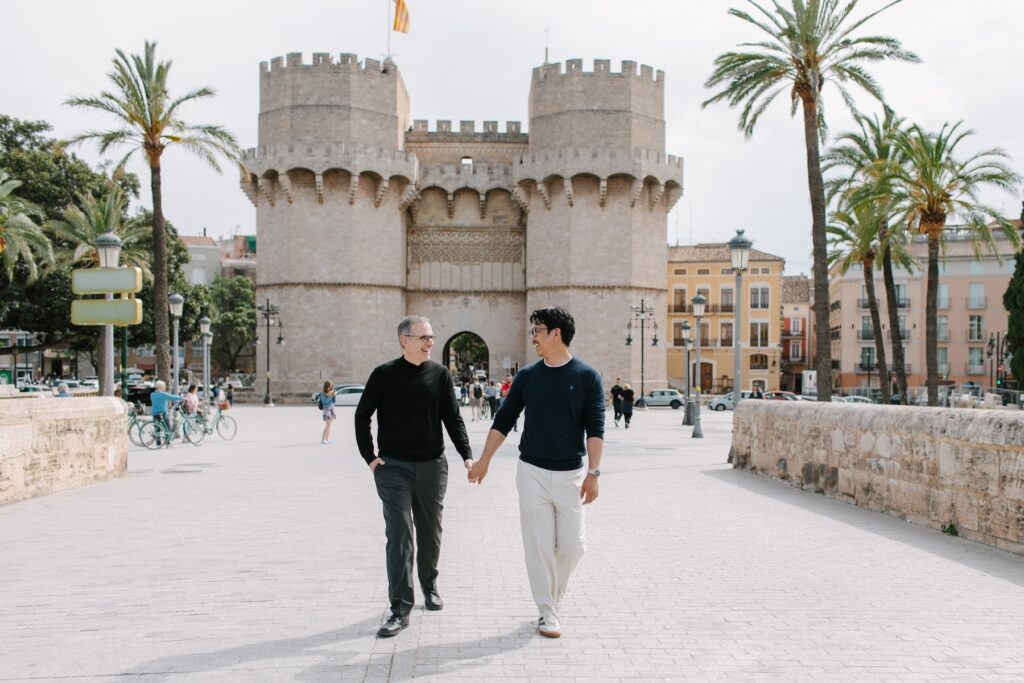
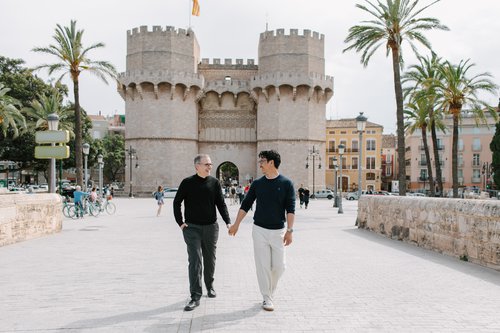
Photo: Paula in Valencia for Flytographer. Roy and partner capture memories in Spain with a couples photoshoot.
“Don’t sleep on Valencia. You could easily lose yourself in Turia Gardens, a former riverbed that now runs more than nine kilometres through the city as a park. It’s where locals walk, bike, and actually live their daily lives. Families especially love Parc Gulliver, where kids can climb across a giant Gulliver sculpture. Within the gardens, you’ll also find the City of Arts and Sciences, a futuristic complex that includes an IMAX cinema, a science museum, and L’Oceanogràfic, the largest aquarium in Europe. The old town feels like a different world. Valencia Cathedral has stood for centuries and brings together Gothic structure, a Baroque façade, and what many believe to be the Holy Grail, tucked quietly into one of its chapels. Just behind it, the Almoina Archaeological Museum places you above Roman ruins and remnants of a Moorish fortress through glass floors beneath your feet. And Malvarrosa Beach genuinely stands out, with a long promenade lined with restaurants and casual vendors that makes it easy to turn a beach visit into a full afternoon.” — Chantel Lanier, Three Times Journeys
Capture memories with a local photographer in Valencia →
2. Lyon, France: A Quieter Alternative to Paris
Same vibe: historic streets, café culture, cultural depth
Lyon offers French elegance and culinary depth at a slower, more lived-in pace. As the gastronomic capital of France, it rewards travellers who come hungry and curious, with none of the months-long reservation lists.
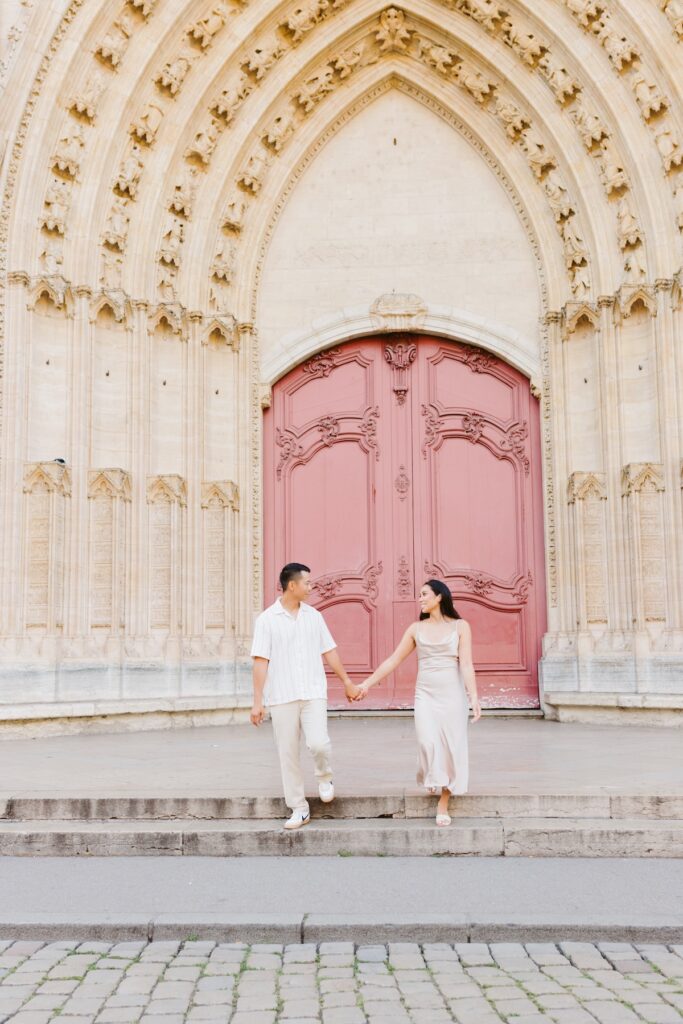
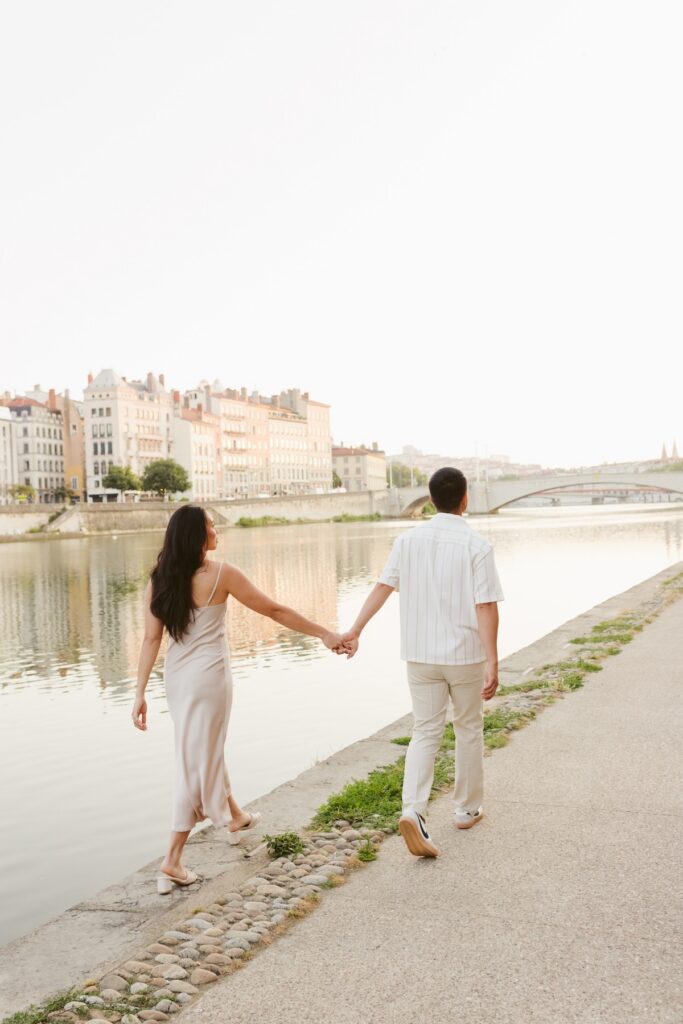
Photo: Julia in Lyon for Flytographer. Chichky and partner capture memories in France with a couples photoshoot.
“Lyon’s bouchons are what I build entire itineraries around: small, family-run Lyonnaise bistros serving quenelles, tablier de sapeur, and andouillette in a room that hasn’t changed since 1962. Daniel et Denise in the Croix-Rousse is the one I recommend without hesitation. Book weeks in advance and order the pâté en croûte, which has won its own world championship. Beyond the food, the traboules are unmissable: a network of covered passageways threading through the Renaissance buildings of Vieux-Lyon, used by silk workers and later by the French Resistance to move unseen across the city. Most are unmarked and unknown to visitors. I arrange a private guided walk through the hidden ones at dusk. It’s the kind of experience that makes clients feel they’ve been let into something.” — Michelle Belcher, Archer Escapes
Book a photoshoot with a local photographer in Lyon →


3. Umbria, Italy: The Alternative to Tuscany
Same vibe: hill towns, vineyards, slow meals
Umbria delivers the same romance as Tuscany: the terraced hillsides, the medieval hill towns, the long lunches that drift toward dinner. But with fewer tour buses, better truffles, and a genuine sense that you have gone off the beaten path.
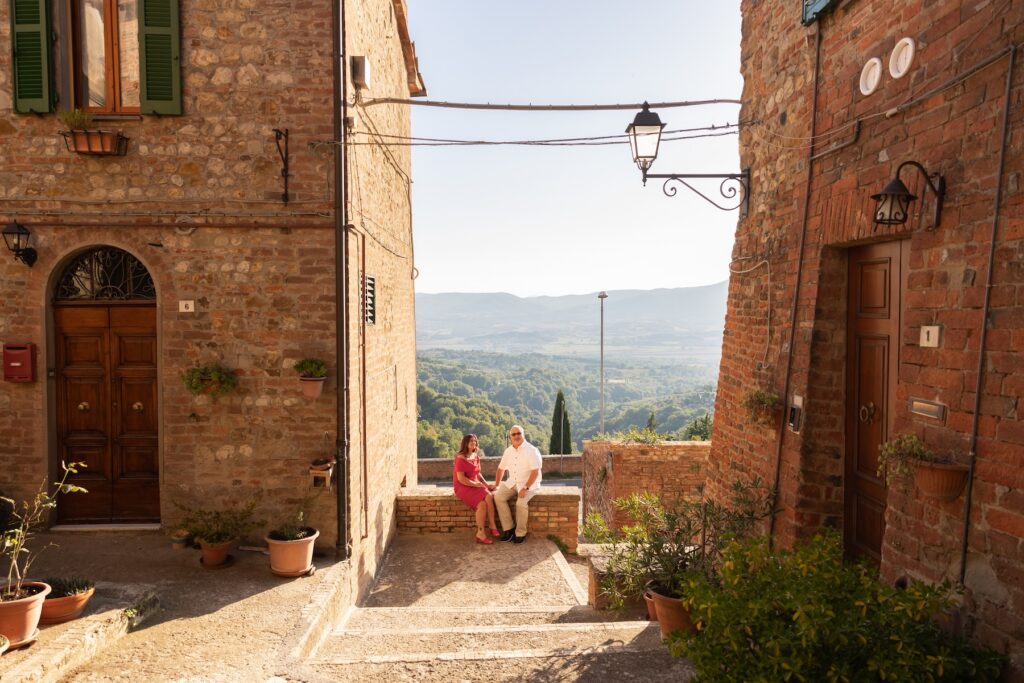
Photo: Emma in Umbria for Flytographer. Gina and partner capture memories in Italy with a couples photoshoot.
“If you love Tuscany but want to feel like you actually discovered something, Umbria is the answer. Stay at Borgobrufa Spa Resort outside Torgiano, a hilltop village hotel with an infinity pool looking out over the Tiber valley and an Antinori wine cellar in the basement. Eat black truffle on everything in Norcia, order a slow-cooked Chianina beef ragù in Spoleto, find the freshest umbricelli pasta you can in Orvieto, and drink Sagrantino di Montefalco, the big tannic red that almost nobody outside of the region has found yet. Walk the medieval centre of Spoleto, see the Duomo di Orvieto at golden hour when the façade glows, visit Assisi in the early morning before the pilgrims and tour buses arrive, and drive the back roads between Montefalco and Bevagna through the vineyards with no particular agenda. Umbria moves slower than Tuscany and rewards you for matching its pace.” — Allyson Bauer, The Ally Escape Co.
Capture memories with a local photographer in Umbria →
4. Ischia, Italy: A Calmer Alternative to Capri
Same vibe: Italian island beauty, coastal elegance, Mediterranean escape
A short ferry ride from the mainland in the Gulf of Naples, Ischia feels worlds away from the day-tripper intensity of Capri. It is greener, more thermal, and more authentically Italian, the kind of place travellers tend to discover late and wish they had found sooner.
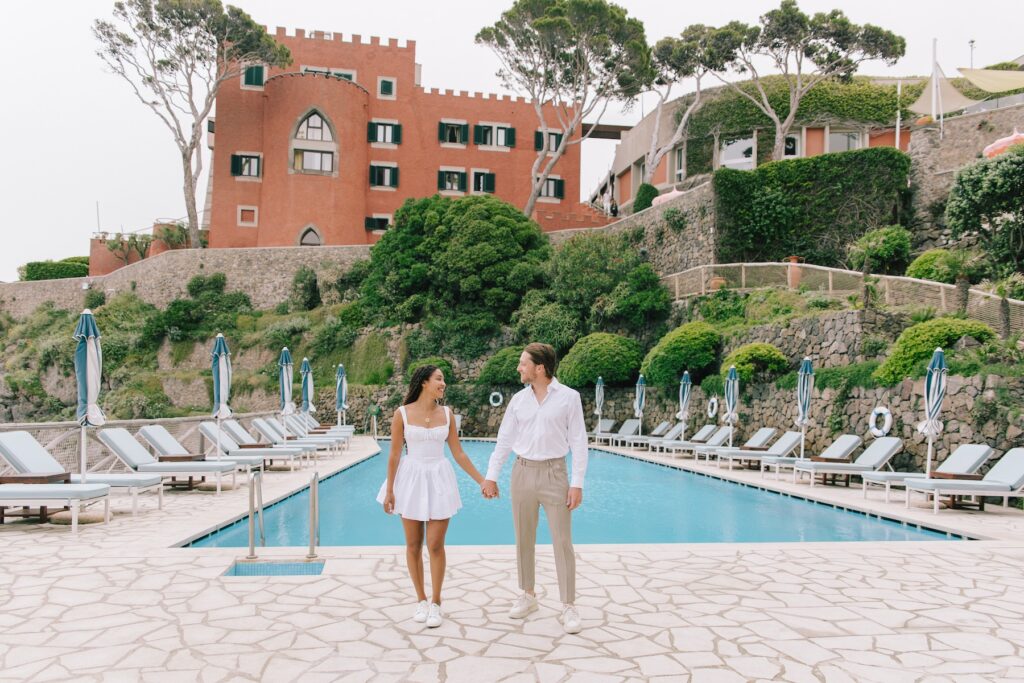
Photo: Chiara in Capri for Flytographer. Madison and partner capture memories in Ischia with a couples photoshoot.
“Ischia is known for its thermal springs, lush hillsides, and relaxed elegance. Italians themselves holiday here, which says everything. There are no large luxury chains dominating the island. Instead, you’ll find family-owned hotels, refined spa retreats, and authentic seaside villages that feel both understated and inviting. Days unfold at a slower pace: mornings in mineral-rich thermal waters, afternoons exploring rugged coastlines by boat, and evenings overlooking spectacular sunsets with a glass of local wine. Ischia is ideal for travellers who want to experience coastal Italy without the intensity and visibility that can make other Mediterranean destinations feel performative.” — Belkys Pastor, Distinct Vacations
We are launching Ischia as a destination soon. Get notified when it becomes available →
5. Syros, Greece: A Quieter Alternative to Santorini
Same vibe: Cycladic beauty, architecture, romance
Syros sits in the Cyclades and delivers the same whitewashed architecture and glittering sea views as Santorini, but with genuine local life intact. Its capital, Ermoupoli, is a working port city with a lived-in
elegance the cliff-top villages cannot quite replicate.
“Syros captures the same Cycladic charm as Santorini — whitewashed buildings, beautiful sea views, and romantic energy — but feels far more authentic and lived-in. Hotel Ploes in Ermoupoli is a standout: a neoclassical mansion right on the water that feels intimate, elegant, and quietly luxurious. What makes Syros special is the balance of beauty and local life. Wander through Ermoupoli’s pastel-coloured streets, enjoy a slow dinner along the harbour, and spend your days exploring quieter beaches without the crowds. I always recommend a sunset dinner by the water — the views are just as stunning, but the atmosphere is far more relaxed and personal.” — Heather Grodin, Le Voyage Travel Experiences
Capture memories with a local photographer in Syros →
6. Ghent, Belgium: An Easygoing Alternative to Amsterdam
Same vibe: canals, medieval beauty, bikeable scale
Less than 40 minutes by train from Brussels, Ghent offers the same essential ingredients as Amsterdam: medieval waterfront architecture, excellent Belgian beer, and a city sized for cycling, with a fraction of the peak-summer crowds. A day trip that has a way of turning into an overnight.
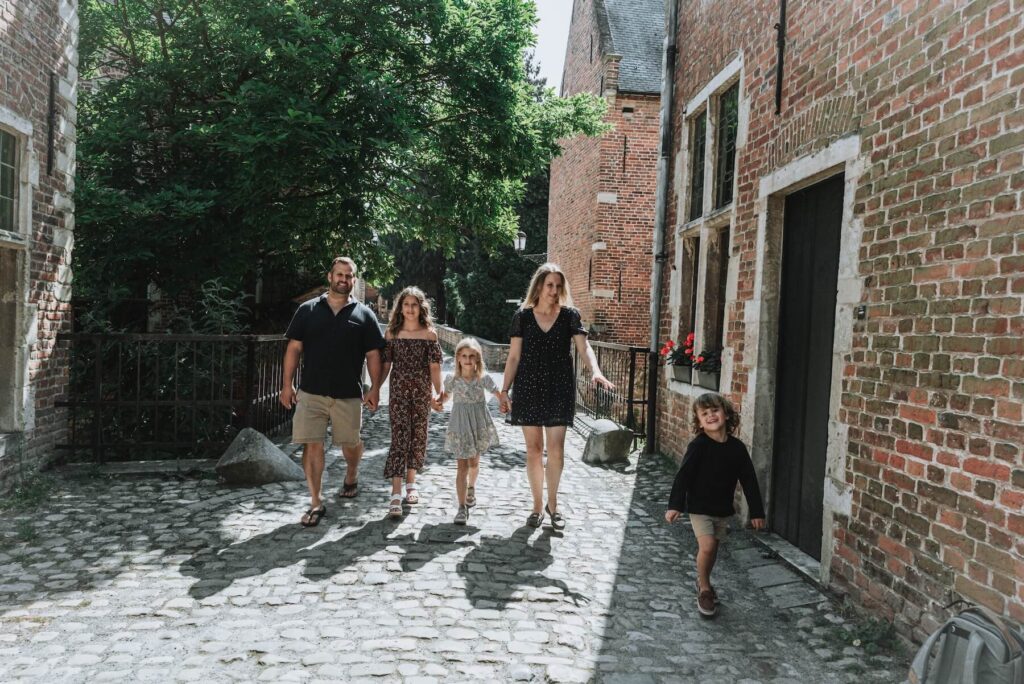
Photo: Mariska in Ghent for Flytographer. James and family capture memories in Belgium with a family photoshoot.
“Start with the Ghent Altarpiece — Jan van Eyck’s 15th-century masterwork, recently restored to a luminosity that stops people in their tracks — inside Sint-Baafskathedraal. Then walk to the Graslei, the medieval guild-house waterfront that frames the canal in a way that makes every photograph feel effortless. From there, Gravensteen, the city’s 12th-century castle, is not to be skipped. Take the canal tour in the afternoon, when the light softens and the city shows itself from its best angle. For dinner, De Graslei restaurant sits directly on the medieval waterfront. Watching the canal lights come up from that terrace is the moment Ghent stops feeling like a day trip and starts feeling like a destination. Het Waterhuis aan de Bierkant is exactly what it promises: a warm, unhurried room with an extraordinary Belgian beer selection right on the water. The Ghent Marriott, positioned directly on the canal with views of the medieval waterfront, is the most atmospheric option for visitors who want to wake up inside the city’s best scenery.” — Erin Moore, Expedition Everywhere Travel
Book a photoshoot with a local photographer in Ghent →
Capturing Memories at Europe’s Hidden Gems
The best part of seeking out Europe’s hidden gems is that the moments feel more yours: quieter piazzas, smaller crowds, the sense that the city has not been arranged entirely for tourists. These six swaps are worth every bit of the trade. When you are ready to capture them, Flytographer’s local photographers are
waiting in 350 + destinations across Europe and beyond. 📸

"If you are looking for a talented, professional, caring and patient photographer, look no further than Rox & San. Their work speaks for itself, and I am beyond thrilled with the results. Thank you, Rox,for creating such stunning memories that our family will cherish forever."
Neslyn
Custom Route
"Paula was absolutely wonderful! Warm, professional and instantly made us feel at ease. Our session flew by and she had such great eyes for capturing candid moments without it ever feeling forced or posed. She knew Valencia beautifully and chose the most stunning spots. Would 100% book her again and highly recommended."
Roy
"Rox was fantastic. She was punctual and provided our family with a great photo shoot. We enjoyed the different poses and various locations around the Valencia Cathedral. We are very pleased with our photos. They will look awesome on our annual Christmas card."
Dawn
FAQs
Where should I go in Spain instead of Barcelona?
Valencia. Spain’s third-largest city offers the same beach-and-city mix, food culture and walkability as Barcelona, with smaller crowds and less price pressure. Highlights include Turia Gardens, the City of Arts and Sciences, and Malvarrosa Beach.
What is a less crowded alternative to Paris?
Lyon. France’s gastronomic capital delivers historic streets and café culture at a slower pace, known for its bouchons (small family-run bistros) and the hidden traboule passageways of Vieux-Lyon.
What is the best alternative to Tuscany?
Umbria. The neighbouring region has the same hill towns, vineyards and long lunches with far fewer tour buses, plus Norcia’s black truffles and Sagrantino di Montefalco wine.
Is Ischia a good alternative to Capri?
Yes. Ischia, in the Gulf of Naples, is greener, more thermal and more relaxed than Capri, with family-owned hotels and spa retreats rather than day-tripper crowds and luxury chains.
What is a quieter alternative to Santorini?
Syros. This Cycladic island has the same whitewashed architecture and sea views as Santorini, but keeps genuine local life, centred on the neoclassical port town of Ermoupoli.
Should I visit Ghent instead of Amsterdam?
Ghent gives you the same canals, medieval architecture and bikeable scale as Amsterdam with a fraction of the summer crowds. It’s under 40 minutes by train from Brussels, so it works as a day trip or an overnight.
ABOUT THE AUTHOR

Meg Wilson
Meg is a professional blogger for photographers and travel brands with a focus on Digital Marketing. She is a freelance photographer as well as an avid traveller herself with a passion for documenting moments in time. The vacation photography niche is the perfect place for her to work creatively.