Enjoy $20 Off Your First Shoot 📸 🎉

Regenerative Tourism: 6 Destinations Where Travel Gives Back
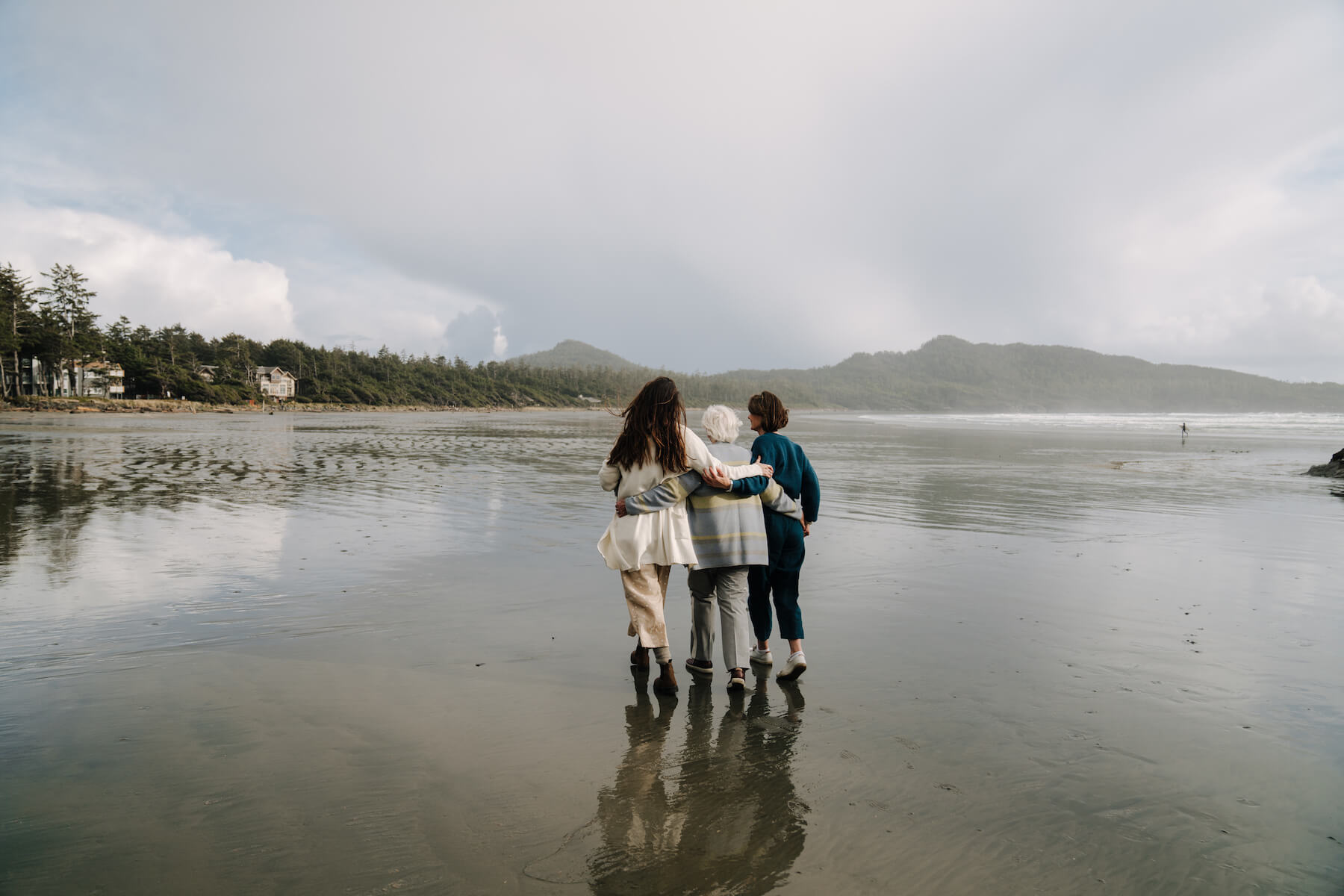
What is regenerative tourism?
A new type of tourism is rising: regenerative tourism, where travel gives back more than it takes. The idea is to leave a place better than you found it and support ecosystems and local economies along the way. With a holistic approach, leading platforms like Regenerative Travel are helping set the standard of real, on-the-ground impact for both the local community and the world at wide.
At Flytographer, we’ve been capturing memories in the places travellers love since 2013, connecting people with trusted local photographers across 350 destinations worldwide. We’ve captured over six million memories for 100,000+ travellers who wanted more than a phone snap. With regenerative travel top of mind, we’ve enlisted our photographers to help narrow down places that operate as living systems of regeneration, where you can travel with purpose without giving up the good stuff. Here are a few places getting it right.
Jump in
- Portugal | Rural Revival
- Costa Rica | Biodiversity & Conservation
- New Zealand | Indigenous Stewardship
- Mexico | Desert Regeneration & Community
- Italy | Agriturismo as Regeneration
- Canada | Indigenous-Led & Nature-Based Tourism
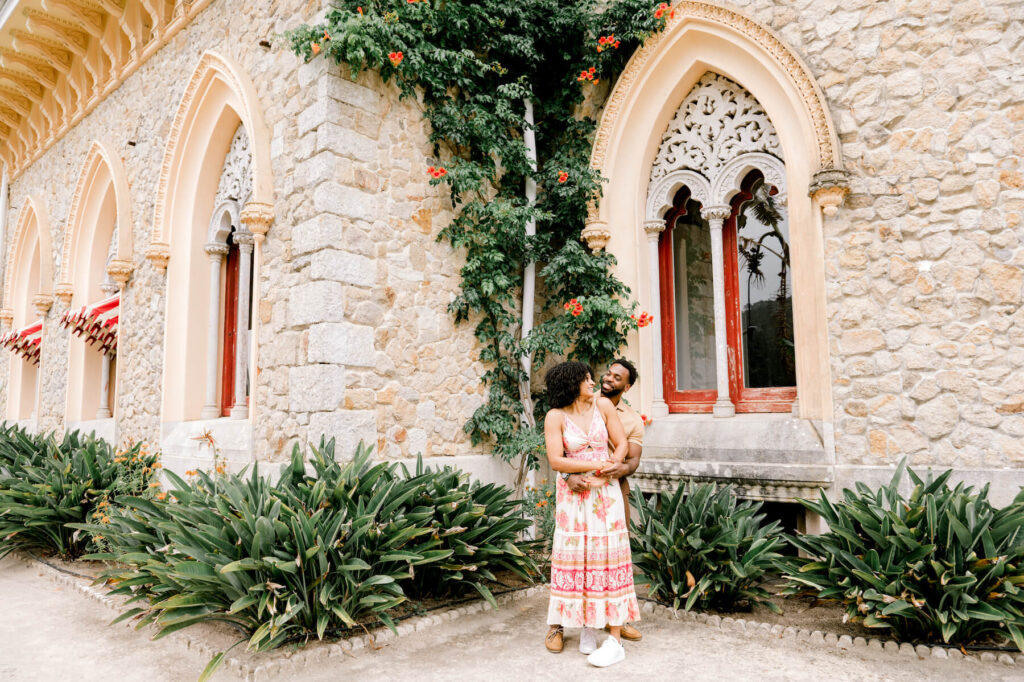
Photo: Claudia in Sintra for Flytographer. Daniel and partner capture memories in Portugal with a couples photoshoot.
Portugal | Rural Revival
In Portugal, the countryside is making a comeback. Just a few hours from Lisbon and Sintra, lies another side of Portugal just waiting to be discovered. Leading hospitality players in the country are making a positive impact on their rural host communities, all while inviting you to enjoy the best kind of luxury: unpretentious and focusing sharply on strong gastronomy and local craft. Stays offer a clear sense of place, often set in dreamy restored estates with terracotta floors and wood-beamed ceilings, just steps from the vineyards. Dining is, by default, farm-to-fork, sometimes led by Michelin-starred chefs, and always finished with a generous pour of local olive oil, best paired with a glass of Alentejo red. 🫒
Notable Stays
- São Lourenço do Barrocal, Alentejo: A 200-year-old farming village brought back to life as a hotel, with ceramics workshops, flower arranging, and a holistic spa.
- Herdade da Malhadinha Nova, Alentejo: A farm-forward retreat in a striking setting, surrounded by Alentejan cattle and hundreds of free-roaming, acorn-fed pigs.
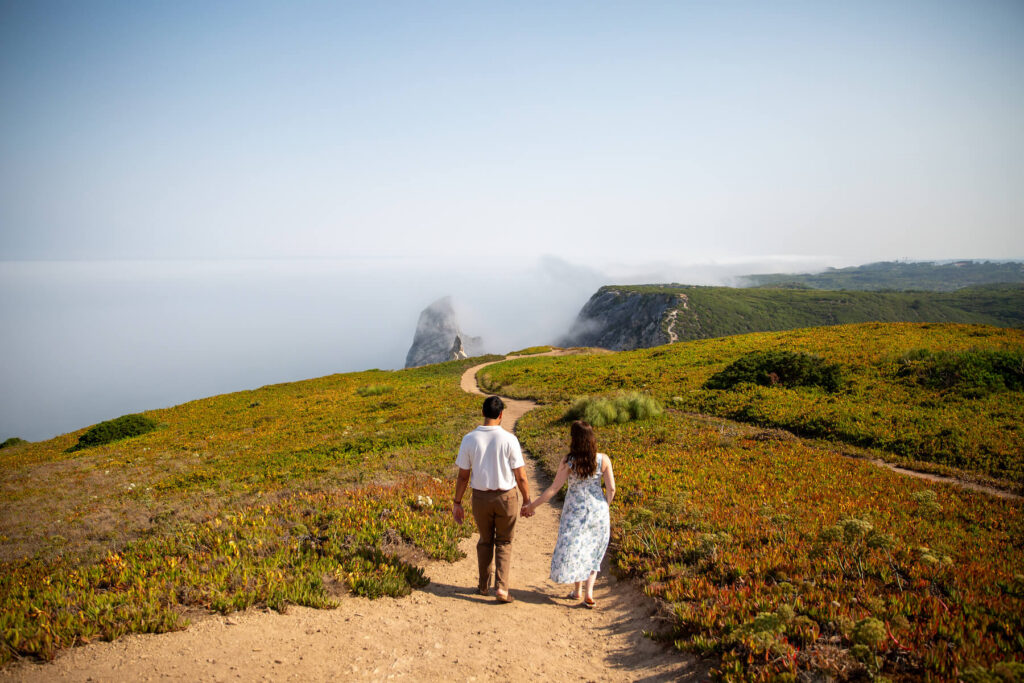
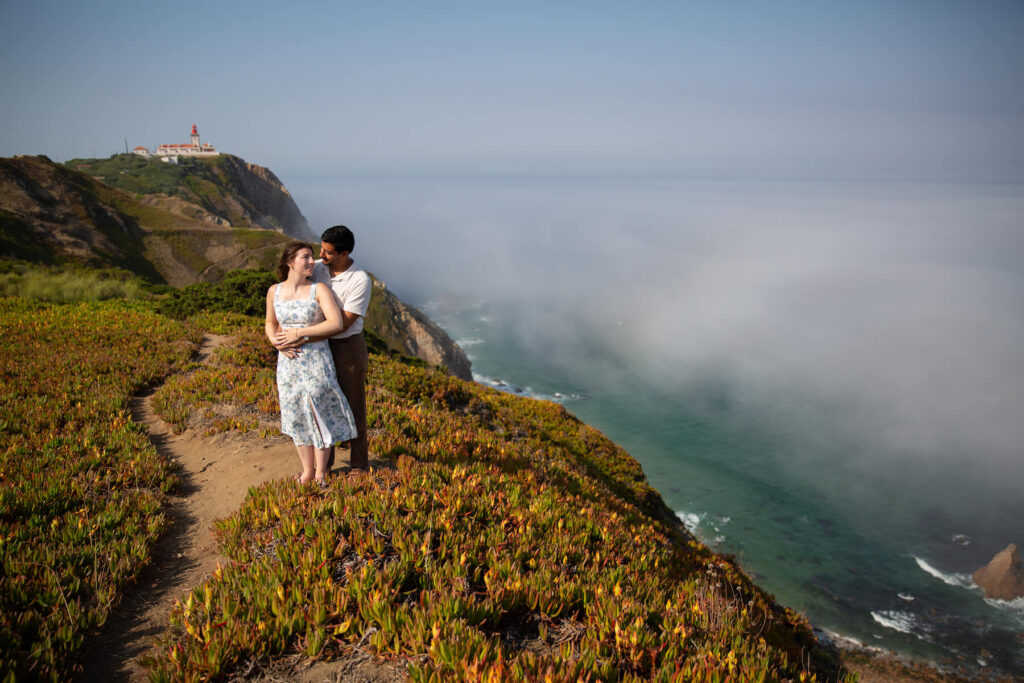
Photo: Jessica K. in Sintra for Flytographer. Shaan and partner capture memories on the coast of Portugal with a couples photoshoot.


Costa Rica | Biodiversity & Conservation
Costa Rica set the gold standard decades ago by tying tourism to a regenerative approach that benefits its extraordinary biodiversity. It hasn’t slowed down since. The local travel industry continues to create one case study after another. In the country, sustainably built lodges are surrounded by natural green spaces that also act as protective buffers for local flora and fauna. This means you usually fall asleep to a full jungle soundtrack. Birdwatching and guided hikes are the classic options offered by tour operators from Guanacaste once you step outside your room. Into coffee? You can swap the canopy for coffee country, where organic farms set within reforested landscapes invite you in for a slower, more meaningful kind of sip.
Notable Stays
- Lapa Rios Lodge, Osa Peninsula: Canopy-level rooms overlooking the Pacific, plus hands-on experiences from healing plant tours to planting a tree before you leave.
- Finca Rosa Blanca, San José: An artsy, carbon-neutral boutique inn set on an organic coffee farm, with hand-painted tiles, murals, and mosaics at every turn.
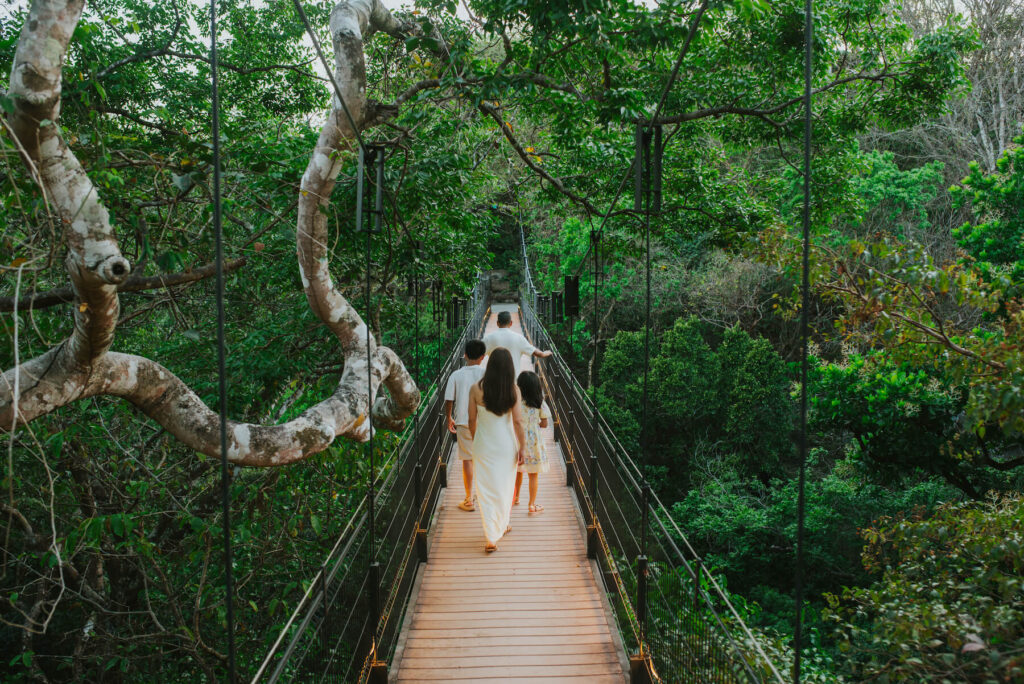
Photo: Max in Guanacaste for Flytographer. Karen and family capture memories in Costa Rica with a family photoshoot.
New Zealand | Indigenous Stewardship
In Aotearoa New Zealand, Māori values are becoming a practical guide for good tourism initiatives. At the core is kaitiakitanga, a vernacular principle of guardianship, especially in relation to the natural world. Local stays bring this philosophy into built form, with architecture that uses recycled and responsibly sourced timber, for instance. Travel experiences in Rotorua, just 3 hours South of Auckland, include deeper dives into Māori culture, forwarding the transmission of language, stories, and traditions. There are also learning opportunities around bush restoration, alongside mountain biking, whale watching, and hikes through vast native forests dotted with streams, waterfalls, and wildlife.
Notable Stays
- Treetops Lodge & Estate, Rotorua: Designed with soaring ceilings and sturdy rimu timber, this lodge takes a hunt-and-gather approach to dining. Menus are shaped daily by what is sourced on the estate.
- Hapuku Lodge + Tree Houses, Kaikōura: Stay high in the canopy, with sweeping views of the Kaikōura mountains and the Pacific.
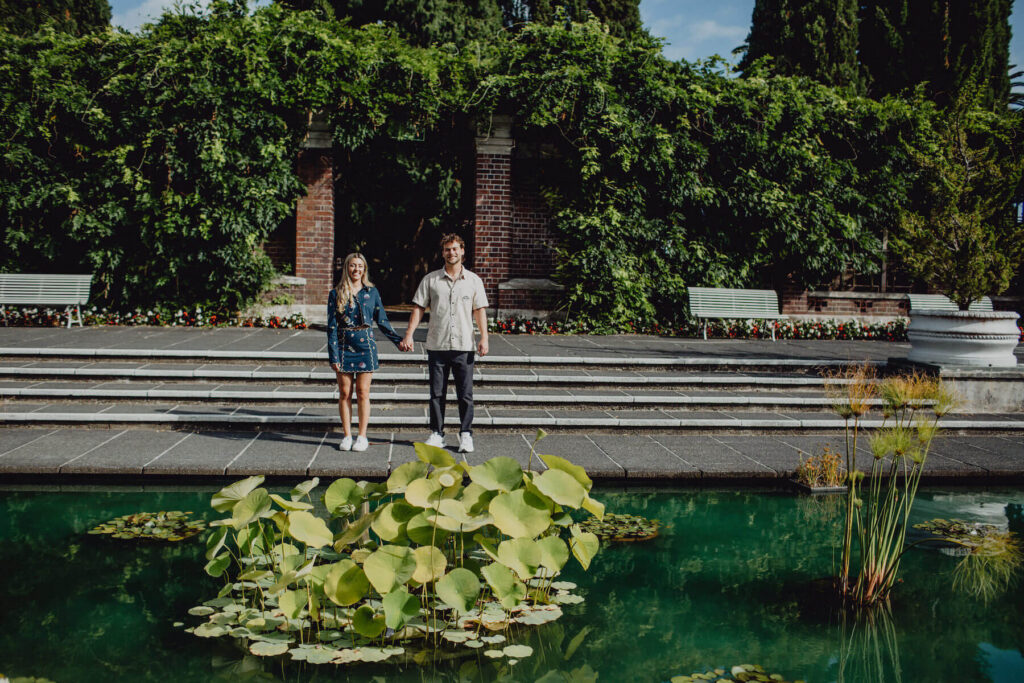
Photo: Jessica in Auckland for Flytographer. Nicole and partner capture memories in New Zealand with a couples photoshoot.
Mexico | Desert Regeneration & Community
Mexico’s new wave of eco-luxury focuses on water conservation, desert re-wilding, and meaningful partnerships with local communities. Todos Santos is a community leading the charge. Beyond providing stable jobs, these resorts’ regenerative practices often help preserve family-owned farms from rampant industrial development. Style-wise, a mix of brutalist design and bamboo architecture creates spaces that feel grounded and connected to their surroundings. Don’t be surprised to walk into a luxury room with no distracting tech, with large openings that invite nature in. Experiences range from sound healing and temazcal ceremonies to learning to farm alongside locals. There is also a hands-on element: joining the volunteer-led La Tortuga Viva crew to release baby sea turtles at sunrise on the coast of Guerrero is something hard to forget.
Notable Stays
- Paradero Todos Santos, Todos Santos: A brutalist-inspired, experience-led hotel set within a botanical garden in the Mesa farming community.
- Playa Viva, Juluchuca: An eco-retreat with bamboo-built rooms and a team actively restoring native biodiversity, countering the damage of local monoculture coconut farming.

Photo: Diana in Todos Santos for Flytographer. Liam and partner celebrate their engagement in Mexico with a surprise proposal photoshoot.
Italy | Agriturismo as Regeneration
Italy brings a more luxurious spin to its sustainable tourism practices, but also draws on the allure of its rural side. Its agriturismo tradition is inherently regenerative, keeping the land productive, local traditions alive, and visitor flow more decentralised, avoiding the impact of mass tourism. In the vast countryside of Tuscany, you can stay in restored palazzos, ancient farmhouses, and even medieval castles, places filled with bespoke details crafted by local artisans. Many of these stays favour hiring from nearby villages, which becomes part of the visitor experience. There’s nothing like engaging with the local crew in cooking and processes like cheese-making and fermenting.
Notable Stays
- Borgo Santo Pietro, Tuscany: An opulent country house that blends 13th-century character with state-of-the-art comforts.
- Castello di Reschio, Umbria: 1,000-year-old estate meticulously brought back to life by a local count, with an ancient wine cellar now transformed into a spa with a hammam and treatment rooms.
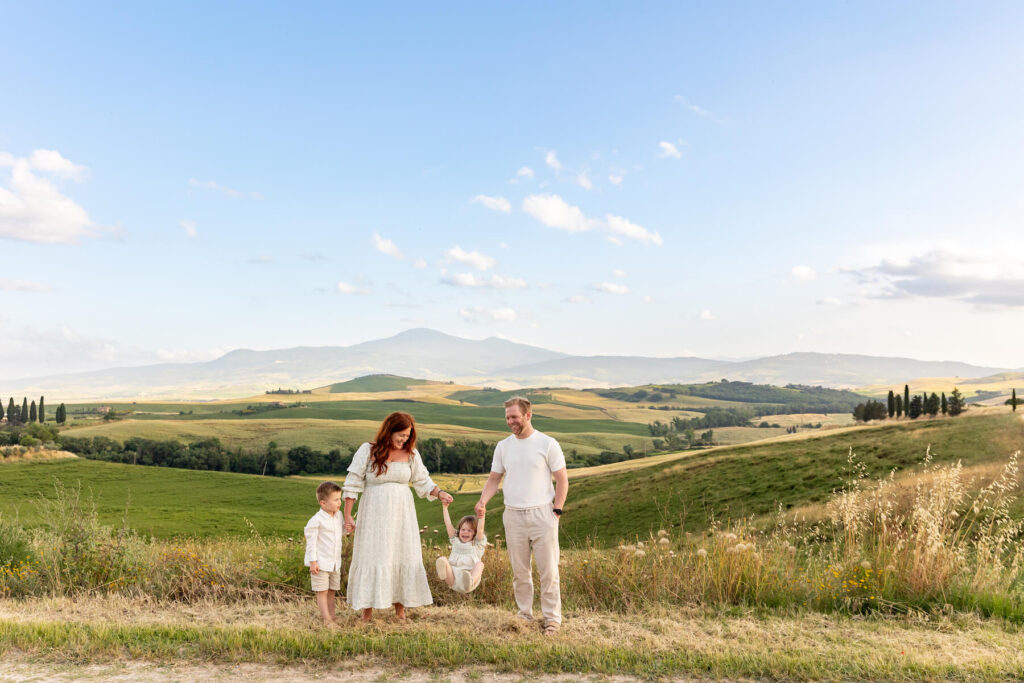
Photo: Emma in Tuscany for Flytographer. Mia and family capture memories in Italy with a family photoshoot in the countryside.
Canada | Indigenous-Led & Nature-Based Tourism
In Canada, and especially in Tofino, the country’s regenerative travel hub, sustainable travel takes on a distinctly remote character. Stays are designed for immersion, placing you deep within fjords, old-growth forests, and coastal inlets. Access often comes by boat or seaplane, reinforcing a sense of distance and intention. From a business perspective, the industry is guided by Indigenous stewardship and a deep respect for local ecosystems. Architecture is pared back, using low-impact materials and relying on local craftsmanship. Unsurprisingly, days unfold outdoors, with wildlife encounters and plenty of slow exploration that do wonders for personal well-being.
Notable Stays
- Clayoquot Wilderness Lodge, Tofino: A remote, tented retreat accessible only by seaplane or boat, balancing back-to-nature living with refined comfort and strong ties to Indigenous culture.
- Nimmo Bay Wilderness Resort, Great Bear Rainforest: A family-run lodge in the Great Bear Rainforest, offering a low-impact stay with intertidal and forest cabins, and a deep commitment to conservation and community development.
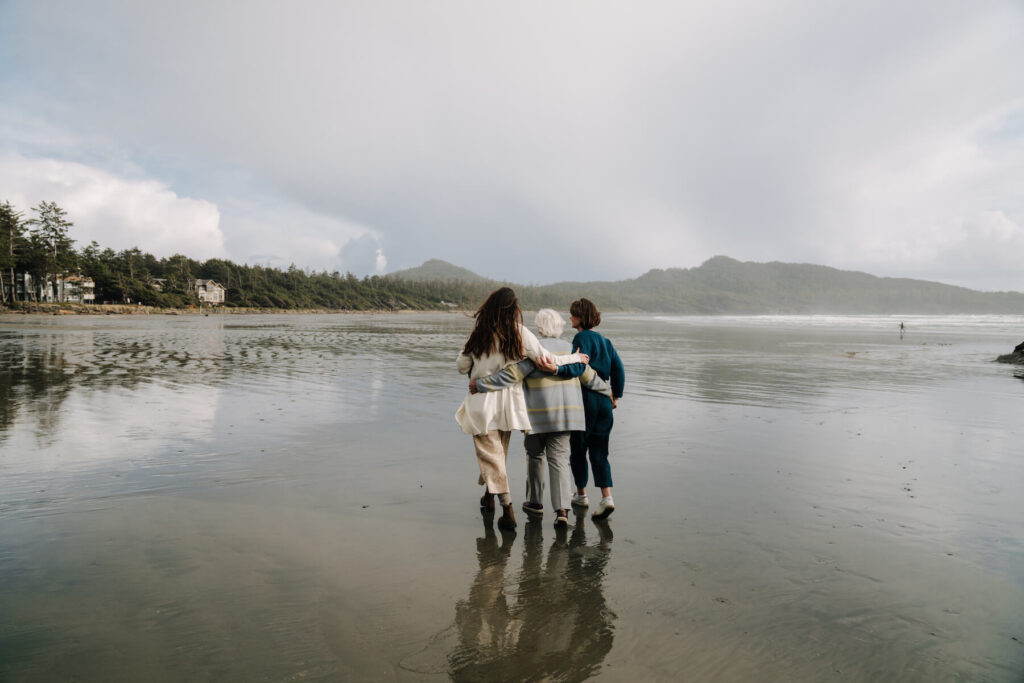
Photo: Flytographer in Tofino. Sheryl and family capture memories in Canada with a multigenerational family photoshoot on the beach.
Capturing your regenerative journey
At the end of the day, we believe that collective small choices can make big impact. Choosing responsible travel destinations and supporting local businesses who are truly going above and beyond for their community are just a couple ways that travellers can make a difference. Not to mention, seeking out these experiences on your next trip may even get you closer to local cultural heritage and nature. Regenerative tourism is a new way to see the world, and the more rewarding one.
Wherever your next journey takes you, our local photographers in over 350 destinations around the globe are ready to capture your memories along the way. 📸

"Claudia was amazing. I planned a surprise proposal shoot from Canada and it went off without a hitch upon landing in Lisbon. We chatted a number of times beforehand and Claudia was available to talk at all times. The photos were INCREDIBLE and we will cherish them for a lifetime. Could not have been a better experience and worth every penny!"
Brandon
Custom Route
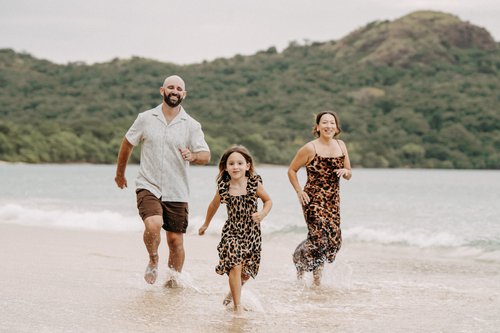
"I am from California and wasn’t sure about where to look for photographers. I found the site and selected Mariana based on her photos. Mariana was personable and professional! She knows her craft! Easy to work with and easy to shoot with. She was open to photo ideas and was easy to communicate with!"
Marisol
Custom Route
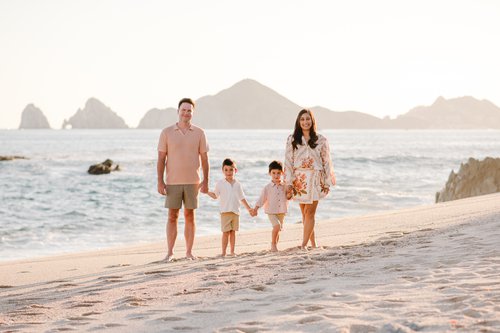
"This is our third visit to Cabo and our third shoot with Luis! He is flexible, kind and easy to work with. Our photos are fantastic and would recommend Luis over and over again! Thank you Luis for capturing these amazing memories for us! Till next year!!"
Brandon
ABOUT THE AUTHOR

Tomás Pinheiro
Tomás is a writer currently based in Southeast Asia. He specializes in travel, culture, and architecture, and has an expert eye for style and detail. You can often find him behind his laptop in places like India, Thailand, Japan, or Indonesia.